
Published April 16, 2025
6 Essential Tips to Keep Your Wood-Burning Stove Safe, Efficient, and Ready for Winter

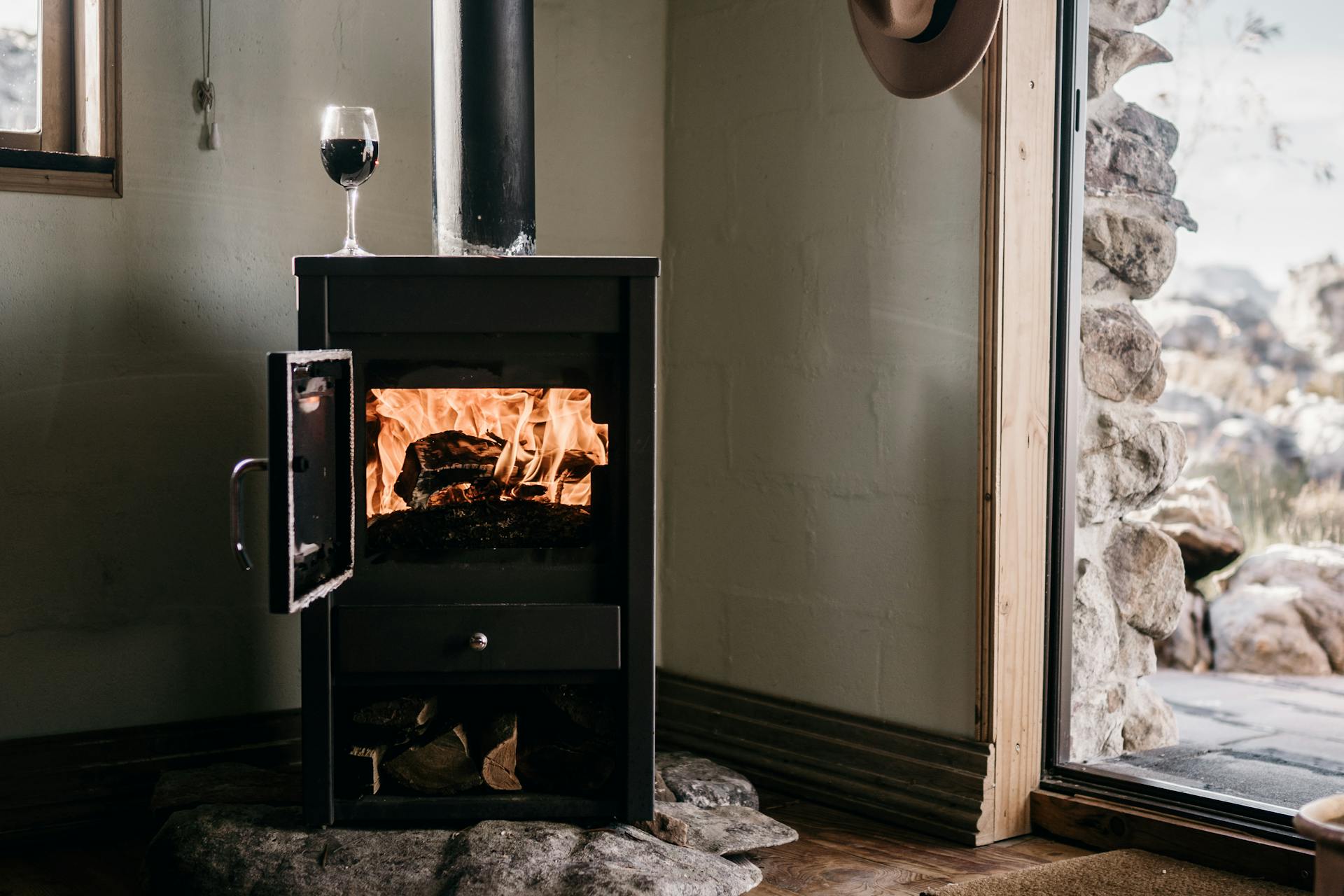
A wood-burning stove doesn’t just warm your home—it adds ambiance, character, and a comforting glow to your space. But to keep it running safely and efficiently all season long, regular upkeep is a must. Whether you rely on it for primary heating or occasional cozy nights, taking the time to maintain your stove can save you money, prevent safety hazards, and ensure it's ready when you need it most.
Here are six practical tips every homeowner should know to get the best out of their wood-burning stove:
1. Clean Your Stove and Chimney Often
Ash and soot buildup not only reduce efficiency but can also pose serious fire risks. Once ash reaches about an inch deep, it’s time to scoop it out using a metal container and store it safely away from anything flammable.
Don’t forget the glass door—wipe it down with a damp cloth and a bit of wood ash to keep the view clear.
Creosote, a sticky and flammable substance, can build up in your chimney over time. Too much of it can lead to dangerous chimney fires. At a minimum, schedule a chimney inspection once a year—and more often if your stove is in frequent use.
2. Check and Replace Door Seals
The rubber gasket around your stove’s door keeps heat in and smoke out. Over time, it can wear down and lose its grip. To test it, close a piece of paper in the door and try to pull it out. If it slips out easily, your seal may be too loose. Replacing worn gaskets keeps your stove burning efficiently and safely.
3. Burn the Right Wood
Not all firewood is created equal. Hardwoods like oak, maple, and hickory burn longer and hotter than softwoods like pine, which tend to create more creosote.
More important than the type of wood is the moisture level. Always use dry, seasoned wood. Damp logs can cause excessive smoke, lead to creosote buildup, and make your stove work harder than it needs to.
Store your firewood off the ground and covered on top, with the sides open for air circulation. Well-seasoned wood burns cleaner and keeps maintenance to a minimum.
4. Keep an Eye on Airflow
Efficient burning depends on good airflow. Learn to adjust the air vents based on your heat needs. Not enough airflow can lead to smoky, smoldering fires, while too much burns through your wood too fast.
Check that the air intake isn’t blocked by ash or debris. Also, inspect the chimney cap regularly—it’s your first line of defense against animals, leaves, and moisture.
5. Watch for Rust and Corrosion
Rust might seem cosmetic, but it can actually weaken your stove over time. Inspect both the interior and exterior surfaces for signs of corrosion.
If you spot rust, scrub it off with a wire brush and apply a coat of heat-resistant paint. Keeping moisture at bay—both around your stove and in your firewood—is key. If you live in a humid climate, a dehumidifier can help preserve your stove’s longevity.
6. Schedule a Professional Inspection Each Year
Even if you’re diligent about cleaning and care, having a certified chimney sweep or stove technician inspect your system annually is essential. They can spot structural issues, check the flue, and make repairs before minor problems become expensive ones.
Think of it as an annual wellness check for one of your home’s hardest-working appliances.
Final Thoughts
When properly maintained, a wood-burning stove can be a reliable, efficient, and cozy heat source for many winters to come. Regular cleaning, the right fuel, and smart preventative care can help you avoid costly repairs—and enjoy every crackle and glow safely.
Whether you're preparing your home for the season or showing off its cozy features to potential buyers, a well-kept stove is a win-win.

Heather Wright
| Wright At Home Properties | Harcourts The Garner Group
or another way