
Published October 9, 2026
Before You Renovate to Sell: Which Home Improvements Are Actually Worth the Money?

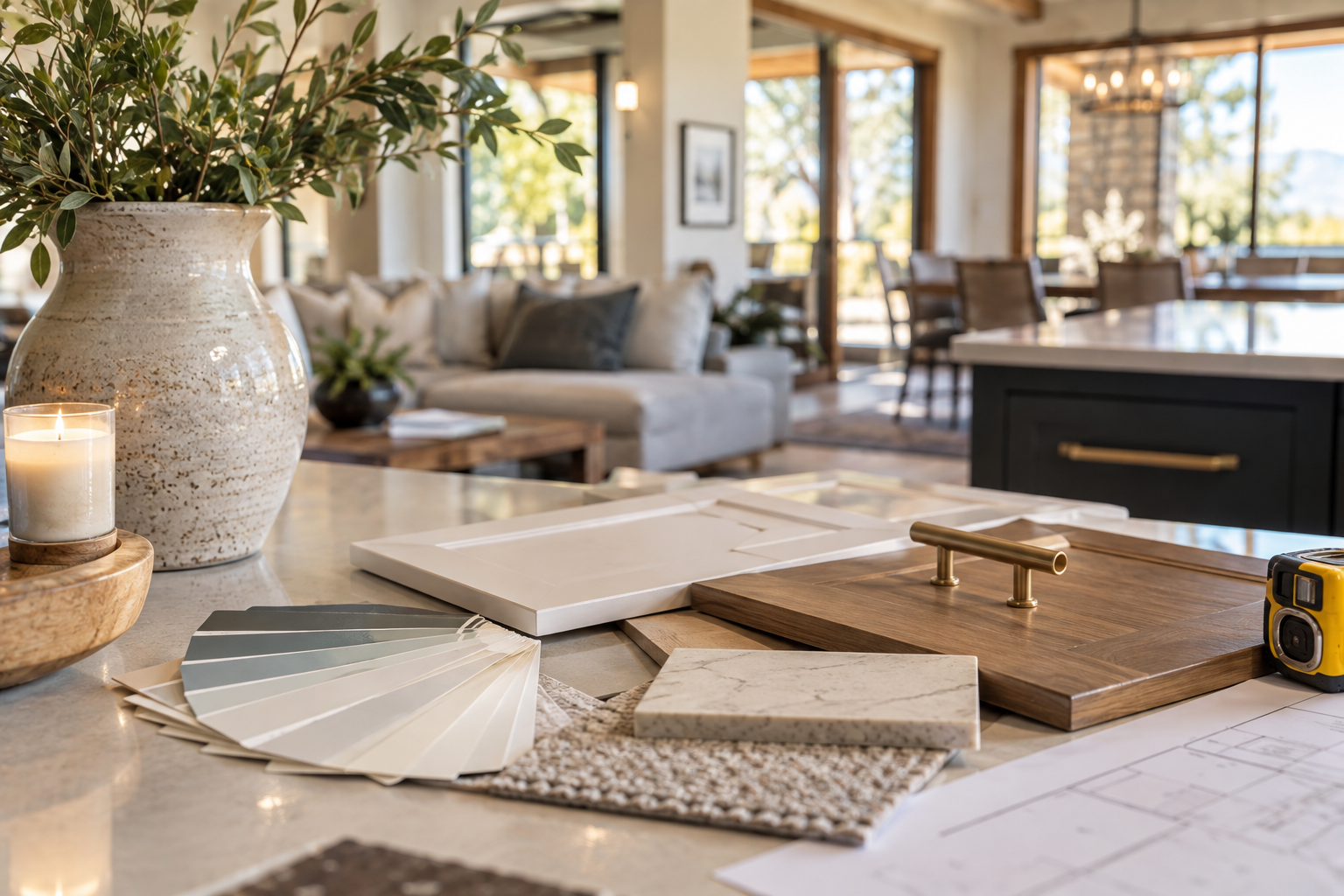
Thinking about selling your home? Before you start tearing out cabinets, replacing flooring, or planning a major remodel, there's one important question worth asking:
Will these improvements actually help your home sell for more?
It's easy to assume that spending more money on upgrades automatically means getting more money when you sell. But that's not always how real estate works.
Some improvements can make your home more appealing to buyers, help it stand out from competing listings, and potentially increase its resale value. Others may cost more than you'll recover when the home sells.
The key is knowing where to invest, what buyers in your market are looking for, and which projects are better left to the next homeowner.
If you're preparing to sell your home in Central Oregon, here are the improvements worth considering before you spend your hard-earned money.
1. Fresh Paint: A Simple Update That Can Make a Big Difference
Never underestimate what a fresh coat of paint can do.
Over time, walls collect scuffs, colors become dated, and rooms can start to feel tired. Fresh paint can instantly make a home feel cleaner, brighter, and more move-in ready.
Neutral colors are often a smart choice when preparing to sell because they appeal to a wider range of buyers and make it easier for someone to imagine their own furniture and décor in the space.
Warm whites, soft grays, and subtle earth tones can work particularly well in Central Oregon homes, where natural materials and Northwest-inspired design are popular.
Before you paint: You don't necessarily need to repaint the entire house. Focus on rooms with noticeable wear, bold colors, or areas that could benefit from a refresh.
A little paint in the right places can go a long way.
2. Curb Appeal: Make Buyers Want to See What's Inside
Your home's first impression starts long before buyers walk through the front door.
An overgrown yard, peeling paint, dirty siding, or an uninviting entryway can make buyers question how well the rest of the property has been maintained.
Fortunately, improving curb appeal doesn't always require an expensive landscaping project.
Consider trimming trees and shrubs, removing weeds, cleaning walkways, refreshing mulch, washing exterior surfaces, and adding a few simple touches around the front entrance.
For Central Oregon homeowners, it's also worth paying attention to defensible space, vegetation near structures, and general wildfire preparedness.
A well-maintained exterior can help buyers feel more confident about the property before they even step inside.
The goal isn't to have the fanciest yard in the neighborhood. It's to make your home look cared for and welcoming.
3. Kitchen Updates: Refresh Before You Replace
The kitchen is often one of the most important spaces buyers consider when evaluating a home.
But here's something many sellers are surprised to learn: you don't always need a complete kitchen renovation to make a strong impression.
A full remodel can be expensive, and there's no guarantee you'll recover every dollar you spend.
Instead, look for smaller improvements that make the kitchen feel cleaner, more functional, and more current.
Updating cabinet hardware, replacing outdated light fixtures, repairing damaged surfaces, refreshing paint, or replacing a visibly worn appliance may be enough to improve the overall presentation.
If the cabinets are in good condition, painting or refinishing them may be more practical than replacing them.
What matters most is how your kitchen compares with similar homes buyers are considering.
If most competing homes have updated kitchens, certain improvements may be worth discussing. If your kitchen is already in good condition, a major remodel may not be necessary.
4. Bathroom Improvements: Focus on Clean, Bright, and Functional
Bathrooms are another area where buyers tend to look closely.
Outdated fixtures, worn caulking, damaged grout, poor lighting, or signs of deferred maintenance can make a bathroom feel older than it really is.
The good news? You may not need to replace everything.
Simple improvements such as replacing a dated mirror, updating lighting, repairing fixtures, refreshing grout, and adding a clean coat of paint can help transform the space.
A spotless bathroom with good lighting and functional fixtures often makes a better impression than one with expensive finishes but obvious maintenance issues.
Before investing in a complete bathroom renovation, consider whether smaller updates would accomplish the same goal.
5. Flooring: Address What Buyers Will Notice
Flooring can influence how buyers perceive the condition of a home.
Worn carpet, damaged planks, stained flooring, or inconsistent finishes can distract buyers from the property's other features.
However, replacing every floor before selling isn't always necessary.
Start by evaluating the condition of your existing flooring.
Could the carpets benefit from professional cleaning? Would refinishing hardwood floors improve their appearance? Are there damaged sections that can be repaired rather than replaced?
If replacement is needed, choose materials that make sense for the home's price range, location, and expected buyer preferences.
In Central Oregon, durable, easy-to-maintain flooring may appeal to buyers who enjoy outdoor recreation, have pets, or want a practical everyday living space.
The objective is to make the flooring feel appropriate and well maintained—not necessarily brand-new.
6. Maintenance and Repairs: The Improvements Buyers May Not See but Still Value
Not every valuable improvement is visually exciting.
A new roof, updated heating system, repaired plumbing, or properly maintained electrical system may not photograph as beautifully as a remodeled kitchen, but these items can matter significantly during a real estate transaction.
Buyers often pay attention to the age and condition of major systems because they want to understand what expenses they may face after purchasing.
In Central Oregon, heating and cooling performance, roof condition, insulation, and other weather-related maintenance considerations can be particularly relevant.
If you already know something needs attention, it's worth discussing whether to repair it before listing, disclose it appropriately, or account for it in your pricing strategy.
One important distinction: Necessary repairs don't always increase your home's value dollar for dollar. Sometimes they help preserve its marketability and reduce potential complications during inspections or negotiations.
That's still an important part of preparing a home for sale.
7. Lighting and Fixtures: Small Details That Help a Home Feel Updated
Sometimes a home doesn't need a renovation. It just needs better lighting.
Outdated fixtures, dim rooms, or mismatched bulbs can make otherwise attractive spaces feel less inviting.
Replacing older light fixtures, adding appropriate lighting where needed, and maximizing natural light can help rooms feel brighter and more welcoming.
Simple hardware updates can also create a more cohesive appearance throughout the home.
These improvements are often less expensive than major remodeling projects and can help your home photograph and show better.
Just be careful not to overdo it. Choose finishes that complement the home's overall style rather than following every passing design trend.
8. Outdoor Living Spaces: Highlight the Central Oregon Lifestyle
One of the reasons people love living in Central Oregon is the opportunity to enjoy the outdoors.
From summer evenings on the patio to mountain views and backyard gatherings, outdoor spaces can be an important part of a home's appeal.
If your property has a deck, patio, covered seating area, or landscaped backyard, make sure buyers can appreciate its potential.
That may mean cleaning and repairing existing surfaces, refreshing outdoor furniture, improving landscaping, or simply removing unnecessary clutter.
You don't necessarily need to build an elaborate outdoor kitchen or install a new fire feature.
Sometimes presenting the outdoor space as a comfortable, usable extension of the home is enough to help buyers connect with it.
Which Improvements Should You Skip Before Selling?
This is where having a clear plan can save you money.
Not every home improvement makes financial sense when you're preparing to sell.
Projects worth evaluating carefully include:
-
Major kitchen renovations: Expensive remodels may not return their full cost, especially when the existing kitchen is functional.
-
Luxury bathroom upgrades: High-end materials and custom features may exceed what buyers expect in the neighborhood.
-
Highly personalized improvements: Bold design choices and specialized features may appeal to a smaller pool of buyers.
-
Extensive landscaping projects: Large investments in outdoor improvements may not be necessary to create strong curb appeal.
-
Unnecessary replacements: Replacing functional systems or finishes simply because they're older may not be the best use of your budget.
This doesn't mean these projects are always bad investments.
It means the decision should be based on your property, the local market, your timeline, and what buyers are likely to value.
How Do You Know Which Improvements Will Add the Most Value?
Here's where sellers can easily spend money in the wrong places.
What works for one home may not work for another.
A home in Northwest Crossing may appeal to buyers with different priorities than a property in Redmond, a rural home in Terrebonne, or a single-level property in a 55+ community.
Price range matters, too.
Buyers shopping for an entry-level home may have different expectations than those purchasing a luxury property.
Before deciding which improvements to make, consider three important questions:
1. What condition are competing homes in?
Look at properties similar to yours that have recently sold, as well as those currently on the market. Their condition, updates, and pricing can help establish buyer expectations.
2. Will the improvement address a real buyer concern?
Fixing an obvious problem may be more valuable than adding an expensive feature buyers weren't expecting.
3. Will the potential benefit justify the cost?
An improvement might help your home attract more interest or sell more smoothly without necessarily increasing the final sale price by the full amount spent.
It's important to consider the overall financial picture, not just the finished appearance.
The Biggest Mistake Sellers Make? Renovating Before They Have a Plan
I've seen how easy it can be for homeowners to feel overwhelmed by everything they think needs to be done before selling.
They start making lists, getting contractor estimates, and planning improvements without first determining which projects are actually necessary.
But preparing your home for the market should be strategic.
Sometimes a few thousand dollars spent on targeted improvements can make a noticeable difference in presentation. Other times, the smartest decision may be to sell the home in its current condition with an appropriate pricing and marketing strategy.
There's no universal checklist that works for every property.
The best approach starts with understanding your home's condition, your competition, and the expectations of buyers in your specific market.
Thinking About Selling Your Central Oregon Home? Start With a Plan, Not a Renovation.
Before you spend money updating your home, make sure those improvements align with your selling goals.
Whether you're preparing to sell in Bend, Redmond, Sisters, Prineville, or another Central Oregon community, knowing where to invest—and where not to—can help you make more confident decisions.
As a Central Oregon real estate professional, I help homeowners evaluate their property's condition, understand what local buyers are looking for, and develop a thoughtful preparation and marketing strategy.
Sometimes that means recommending improvements. Other times, it means helping you avoid spending money on projects that may not deliver meaningful value.
Thinking about selling but unsure what to update first?
Let's take a look at your home before you start renovating. Together, we can identify which improvements may be worth considering, what you can skip, and how to position your property for a successful sale.
Because when it comes to selling your home, it's not about spending the most money. It's about making the right decisions.