
Categories
REAL ESTATEPublished August 7, 2026
Beyond the Purchase Price: The Homebuying Costs You Need to Know

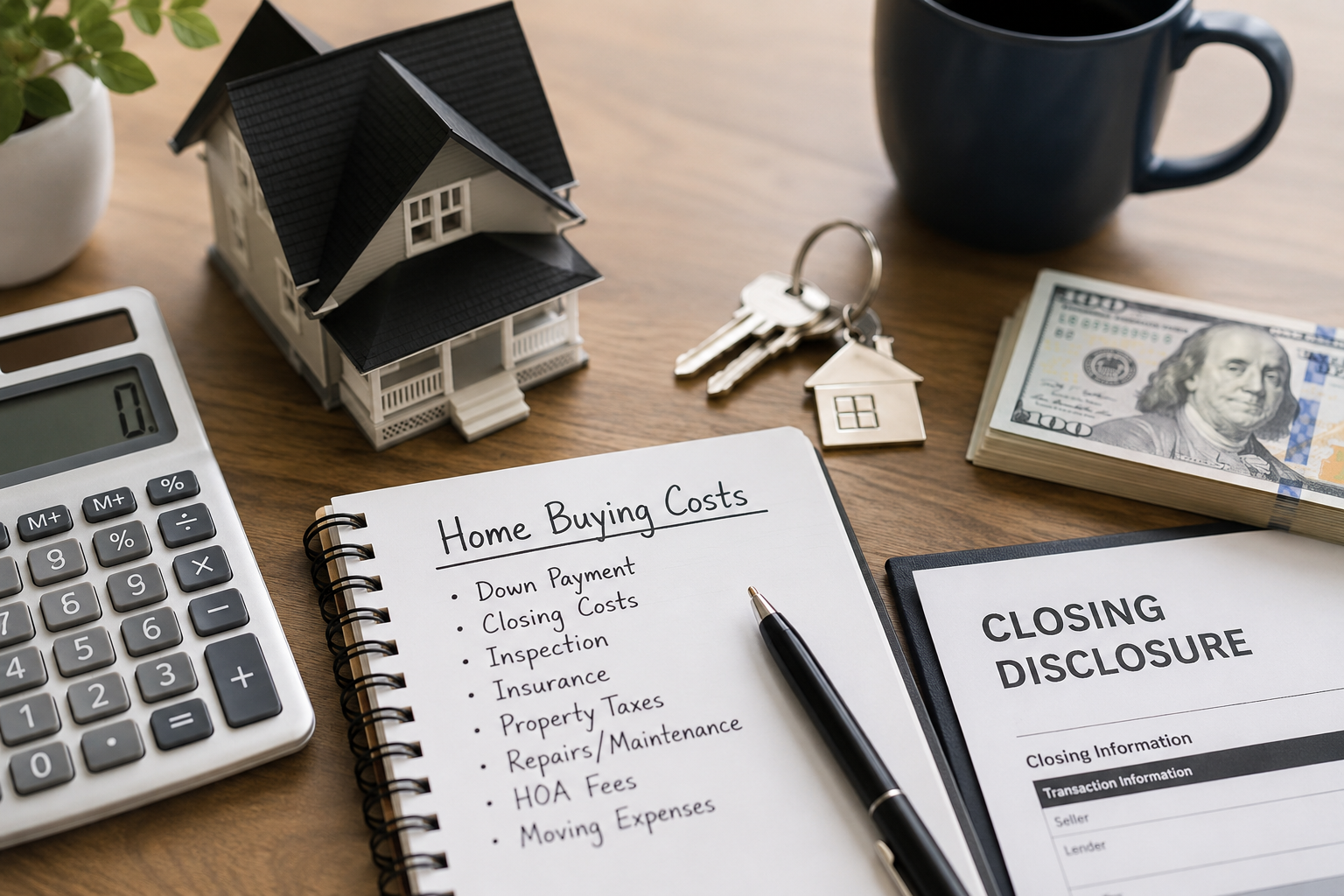
Buying a home is exciting. You find the right property, imagine yourself settling in, and start thinking about everything you’ll do once you have the keys.
But one of the biggest surprises for many buyers is that the purchase price isn’t the only number that matters.
From closing costs and inspections to insurance, taxes, maintenance, and moving expenses, there are several additional costs that can affect your homebuying budget. Understanding these expenses before you make an offer can help you feel more prepared, avoid financial surprises, and make a confident decision.
Here are some of the most common costs to plan for when buying a home.
1. Closing Costs
Closing costs are the expenses associated with finalizing your home purchase. Depending on your loan, property, and transaction, these may include lender fees, appraisal costs, title-related expenses, escrow fees, recording fees, prepaid expenses, and other charges.
Because every transaction is different, it’s important to review estimated closing costs with your lender early in the process rather than waiting until you are close to signing.
Knowing approximately how much cash you’ll need at closing can make budgeting much easier.
2. Home Inspection
A professional home inspection is an important part of the buying process.
An inspector evaluates many of the home’s major components and systems, helping you better understand the property’s current condition. Depending on the home and location, you may also choose additional specialized inspections.
While inspections add an upfront expense, the information they provide can be extremely valuable. Discovering an issue before closing gives you an opportunity to understand what you’re purchasing and determine how you want to proceed.
3. Appraisal
If you’re financing your home, your lender will typically require an appraisal.
The appraisal provides an independent opinion of the property’s value and helps the lender determine whether the home supports the amount being financed.
Buyers should ask their lender whether the appraisal fee is paid upfront or included among other loan-related expenses.
4. Property Taxes
Property taxes are another important part of the true cost of homeownership.
The amount you pay depends on the property and local tax assessments. Depending on how your loan is structured, property taxes may be collected as part of your monthly mortgage payment through an escrow account.
When comparing homes, it’s helpful to look beyond the asking price and understand the estimated taxes associated with each property.
5. Homeowners Insurance
Most mortgage lenders require homeowners insurance, but even without a lender requirement, protecting your property is an essential part of homeownership.
Insurance premiums can vary based on factors such as the home’s location, age, construction, replacement cost, coverage level, and property-specific risks.
Getting an insurance quote before closing can help you avoid surprises and provide a clearer picture of your expected monthly housing expenses.
6. HOA Fees
Some homes are located within a homeowners association, commonly known as an HOA.
HOA dues may cover services or amenities such as common-area maintenance, landscaping, private roads, community facilities, or other neighborhood expenses. What is included varies significantly from one community to another.
Before purchasing a home with an HOA, review the dues, governing documents, rules, and any potential assessments so you understand both the financial commitment and community requirements.
7. Moving Expenses
Moving costs are easy to overlook when focusing on the purchase itself.
You may need to budget for professional movers, a moving truck, packing supplies, storage, travel expenses, utility setup, cleaning services, or time away from work.
Even a local move can add up quickly, so including moving expenses in your homebuying budget can make the transition much smoother.
8. Immediate Repairs and Updates
Even a home that appears move-in ready may need a few things after closing.
You might discover that you want to replace locks, touch up paint, service the HVAC system, repair a fence, update lighting, purchase window coverings, or address smaller items identified during the inspection.
The temptation to improve everything immediately can be strong, but prioritizing essential repairs first can help protect your budget.
9. Furniture and Household Purchases
A new home often creates new shopping needs.
Perhaps your existing furniture doesn’t fit the space, you suddenly have a yard to maintain, or you need appliances, shelving, tools, rugs, or additional storage.
These purchases may seem small individually, but together they can become a significant expense. Give yourself time to live in the home and determine what you actually need before buying everything at once.
10. Ongoing Maintenance
Homeownership comes with ongoing responsibilities that renters may not have had to budget for previously.
Heating and cooling systems need servicing. Gutters need cleaning. Landscaping requires attention. Appliances eventually need repairs or replacement. Roofs, exterior surfaces, plumbing, and electrical systems all require maintenance over time.
Creating a dedicated home maintenance fund can help you prepare for both routine upkeep and unexpected repairs.
Think Beyond the Mortgage Payment
When determining what you can comfortably afford, don’t focus only on the purchase price or monthly principal and interest.
Consider the complete picture:
-
Mortgage payment
-
Property taxes
-
Homeowners insurance
-
HOA dues, when applicable
-
Utilities
-
Routine maintenance
-
Future repairs
-
Closing and moving expenses
A home may technically fall within your approved loan amount while still stretching your monthly budget more than you would like.
The goal isn’t simply to qualify for a home. It’s to purchase one that fits comfortably within your overall financial life.
How to Prepare Before You Start Shopping
One of the best things you can do is build your homebuying budget before you fall in love with a property.
Talk with your lender about your estimated monthly payment and cash needed to close. Ask your real estate agent about expenses commonly encountered during a local transaction. Research insurance costs and property taxes, and keep some savings available after closing rather than putting every available dollar toward the purchase.
Having a financial cushion can make the first few months of homeownership much less stressful.
A Little Preparation Can Make a Big Difference
Buying a home should be an exciting milestone, not a series of unexpected expenses.
When you understand the costs beyond the purchase price, you can shop with a clearer budget, compare properties more realistically, and make decisions with greater confidence.
Every home and every transaction is different, which is why having the right professionals around you matters. A knowledgeable real estate agent, lender, inspector, insurance professional, and other trusted experts can help you understand what to expect before you reach the closing table.
If you’re thinking about buying a home in Central Oregon, I’d be happy to help you understand the process, explore your options, and prepare for the costs that come with purchasing a home.
The more you know before you start, the more confidently you can move forward when the right home comes along.

Heather Wright
| Wright At Home Properties | Harcourts The Garner Group
or another way