
Categories
REAL ESTATEPublished November 5, 2026
8 Things to Check Before Buying a Home in Central Oregon

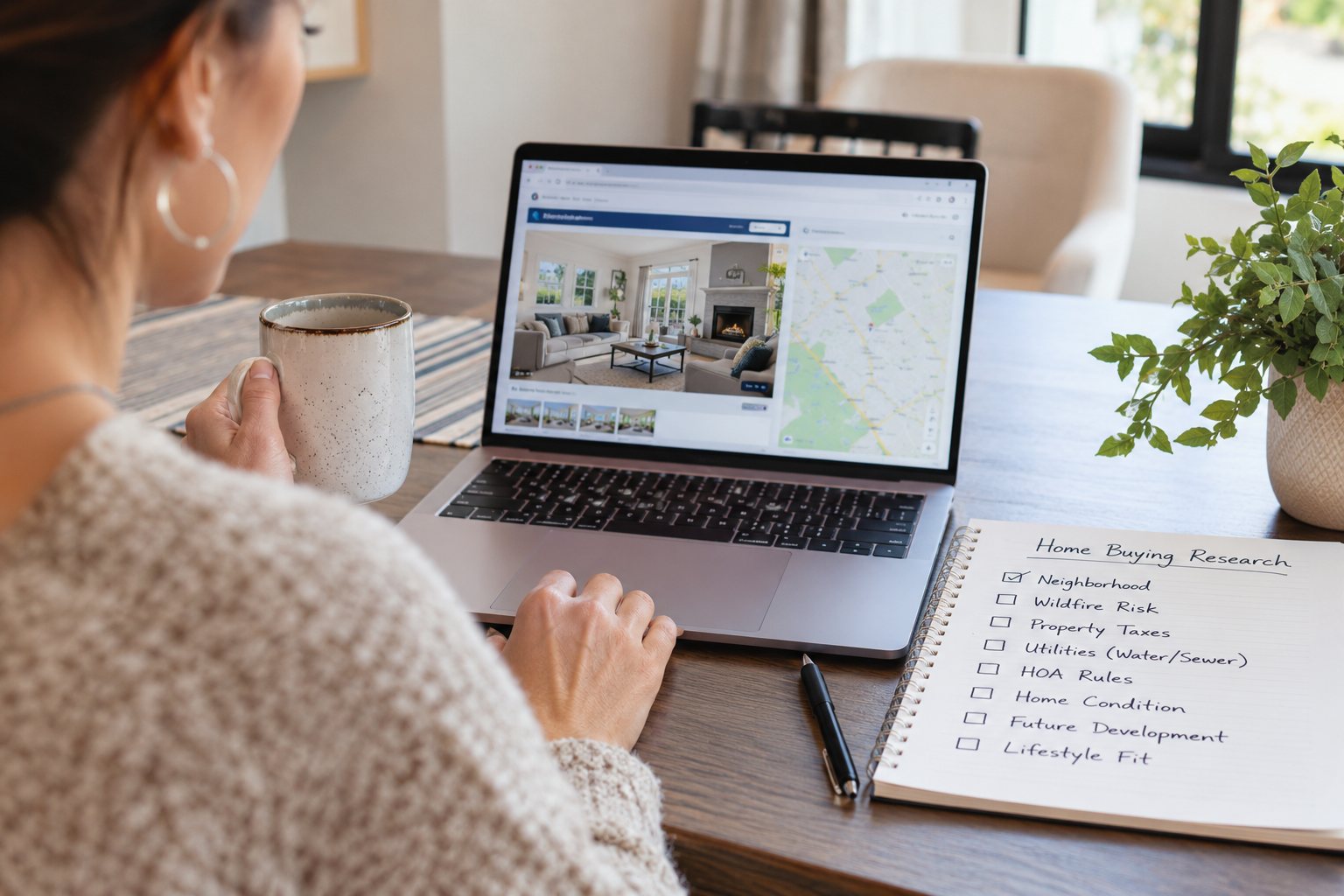
A beautiful home can catch your eye, but knowing what you're buying is what makes it a smart investment.
It's easy to fall in love with a home while scrolling through listing photos. The spacious kitchen, mountain views, inviting backyard, or beautifully updated interior might be exactly what you've been looking for.
But there's more to buying a home than finding one that looks perfect online.
In Central Oregon, factors like neighborhood growth, wildfire exposure, property restrictions, and seasonal weather can have a significant impact on your homeownership experience.
Whether you're searching in Bend, Redmond, Sisters, or a nearby community, taking the time to look beyond the listing photos can help you make a more confident decision.
Here are eight important things to research before making an offer.
1. Look Beyond the Home and Explore the Neighborhood
You can change paint colors, update flooring, and remodel a kitchen. What you can't easily change is where your home is located.
Before committing to a property, spend some time exploring the surrounding neighborhood.
Drive through at different times of day. Pay attention to traffic, nearby construction, road conditions, and how convenient the location is for your daily routine.
A neighborhood that feels peaceful on a Sunday afternoon might be considerably busier during weekday commuting hours.
Local tip: Central Oregon communities continue to evolve. Research nearby development plans to understand what the surrounding area could look like in the future.
2. Understand the Property's Wildfire Exposure
Living in Central Oregon means enjoying beautiful forests, open landscapes, and incredible outdoor recreation. It also means understanding the realities of wildfire season.
Before purchasing a home, research its wildfire exposure, surrounding vegetation, access routes, and available fire protection services.
Consider whether the property has adequate defensible space and whether additional maintenance may be needed to reduce potential risks.
It's also worth speaking with an insurance professional early in the process to understand coverage options and potential costs.
Local tip: Don't wait until you're ready to close to investigate homeowners insurance. Insurance availability and premiums can influence your overall housing budget.
3. Research Property Taxes and Ongoing Expenses
Your monthly mortgage payment is only one part of the cost of owning a home.
Property taxes, insurance, utilities, maintenance, and possible homeowners association fees all contribute to your monthly and annual expenses.
Oregon's property tax system can be especially confusing for buyers relocating from another state. A home's taxable assessed value may differ significantly from its market value.
Before making an offer, review the property's tax history and ask about any special assessments or additional fees.
Understanding these expenses upfront can help you avoid surprises after moving in.
4. Investigate Water, Sewer, and Utility Services
Not every Central Oregon property has the same utility setup.
While many homes within city limits have access to municipal water and sewer services, properties in more rural areas may rely on private wells, septic systems, or other arrangements.
If you're considering a home outside established city neighborhoods, it's important to understand how these systems operate and what maintenance they require.
For properties with private wells, review available water quality and well records. For homes with septic systems, investigate permits, maintenance history, and inspection options.
Local tip: Oregon has specific domestic well testing requirements associated with certain real estate transactions. Make sure you understand which requirements apply to the property you're considering.
5. Check for HOA Rules and Property Restrictions
A home might check every box on your wish list, but the community's rules could affect how you use it.
If the property belongs to a homeowners association, review its governing documents, fees, financial information, and restrictions before moving forward.
Some communities have guidelines concerning exterior modifications, landscaping, parking, recreational vehicles, and rental activity.
Even properties without an HOA may have recorded covenants or local land-use restrictions.
If you're planning to build a shop, park an RV, add an accessory dwelling unit, or use the property as a rental, confirm what is legally permitted before purchasing.
6. Pay Attention to the Home's Condition Beyond Cosmetic Updates
Fresh paint, modern fixtures, and stylish finishes can make a great first impression.
However, the most expensive issues aren't always the ones you can see.
Look beyond the cosmetic improvements and consider the condition of major systems such as the roof, heating and cooling equipment, plumbing, electrical components, foundation, and insulation.
Central Oregon's cold winters, warm summers, and seasonal temperature changes make proper maintenance particularly important.
A professional home inspection can help identify concerns that may not be obvious during a showing.
Remember, a beautifully renovated home isn't necessarily a well-maintained home.
7. Consider Future Development and Long-Term Resale Appeal
Buying a home is about meeting your needs today, but it's also worth thinking about how the property may fit your life in the future.
Research planned developments, zoning, transportation improvements, and nearby land uses.
An open field behind a property may not remain open forever, and a quiet street could experience changes as surrounding communities grow.
Think about features that may influence future resale appeal, including the home's layout, accessibility, location, and overall functionality.
You don't need to predict the future. You simply want to make an informed decision with as much information as possible.
8. Make Sure the Home Fits Your Lifestyle, Not Just Your Wish List
One of the most overlooked parts of buying a home is determining whether it truly supports your everyday life.
A beautiful property might have everything you want on paper, but does it make sense for the way you live?
Consider your commute, proximity to healthcare, shopping, recreational opportunities, and the amount of maintenance the property requires.
If you're relocating to Central Oregon, think about how seasonal weather, travel distances, and community amenities might affect your routine.
If you're planning to stay in the home for many years, consider whether the layout will continue to meet your needs as life changes.
The right home isn't simply the one that looks the best. It's the one that works best for you.
Make Your Next Move With Confidence
Buying a home in Central Oregon is an exciting opportunity, whether you're purchasing your first property, relocating to the area, or looking for a home that better fits your next chapter.
But the most successful home purchases begin with more than beautiful listing photos.
They begin with asking the right questions, understanding the local market, and knowing what to investigate before making a commitment.
At Wright At Home Properties, my goal is to help buyers look at the complete picture so they can make informed decisions and feel confident about their investment.
Thinking about buying a home in Bend, Redmond, Sisters, or anywhere in Central Oregon?
Let's talk about what matters most to you and find a home that fits your lifestyle, goals, and future plans.
Heather Wright, SRES® | REALTOR®
Wright At Home Properties
Helping you find more than a house. Helping you feel Wright At Home.

Heather Wright
| Wright At Home Properties | Harcourts The Garner Group
or another way