
Published January 22, 2025
Charming or Challenging? What You Need to Know Before Buying an Old House

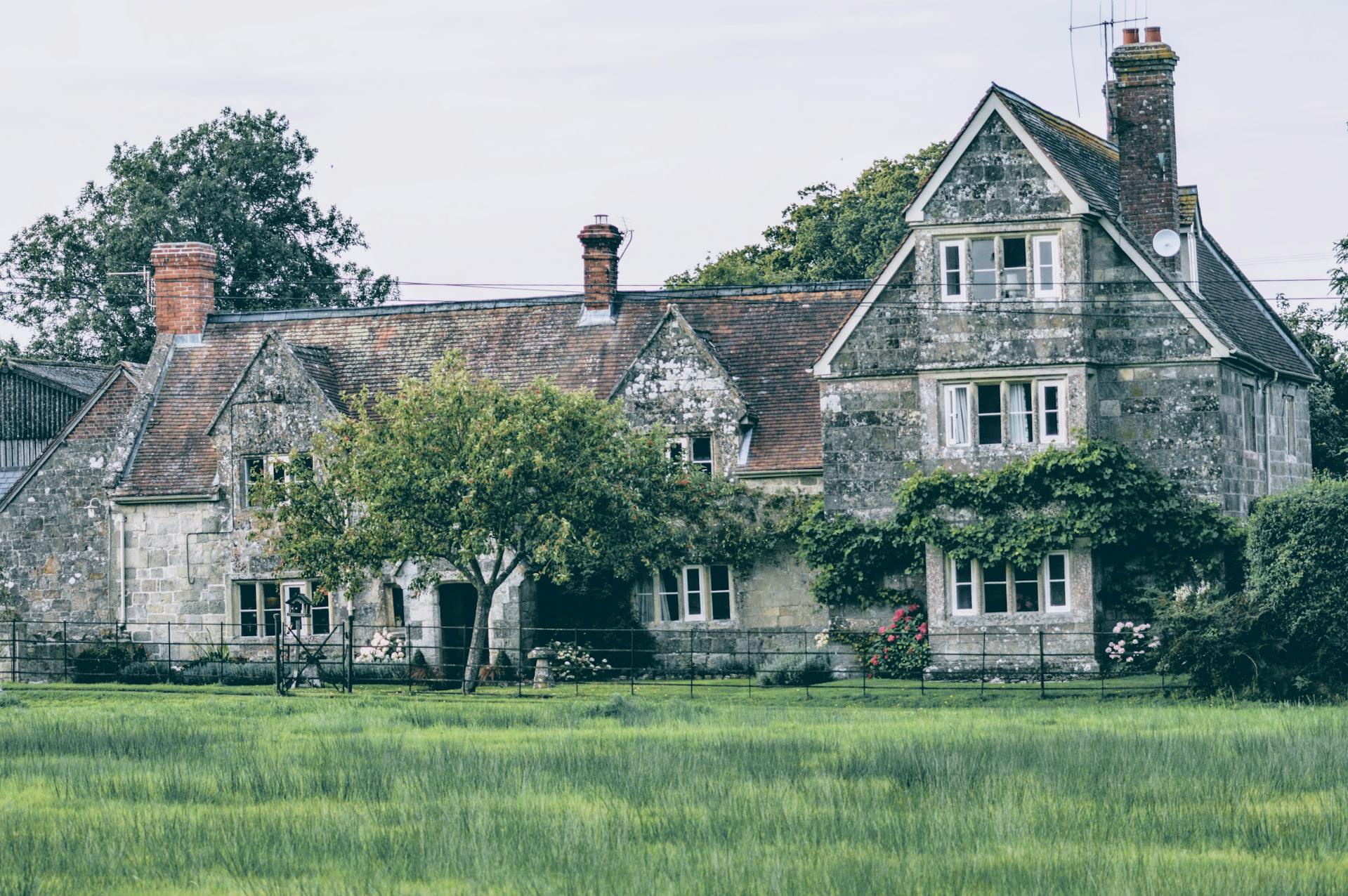
Are you drawn to the unique charm and timeless appeal of older homes?
While these properties can be full of character, they often come with hidden challenges that could turn your dream home into a daunting project.
To help you make a smart and confident investment, we’ve outlined the key factors to consider when purchasing an older home. From structural integrity to local regulations, this guide will ensure your next step is well-informed and rewarding.
7 Key Factors to Consider Before Buying an Older Home
1. Structural Integrity: The Foundation of Your Investment
Start by checking the foundation for cracks, uneven floors, or settling. Inspect the roof for missing shingles or leaks, and examine walls and ceilings for signs of water damage or mold. These issues may signal costly structural repairs.
2. Electrical System: Safety First
Outdated wiring, like knob-and-tube, or old fuse boxes could pose serious fire hazards. Verify the system's capacity to meet modern needs, and watch for signs of overloaded circuits or exposed wires.
3. Plumbing: Avoid a Money Drain
Inspect the pipes for outdated materials such as lead or galvanized steel, which can lead to leaks or contamination. Check water pressure, drainage, and sewage functionality to avoid costly surprises.
4. HVAC System: Comfort and Efficiency Matter
Older heating and cooling systems may lack efficiency. Assess their condition, age, and insulation to ensure they can maintain a comfortable and energy-efficient home environment.
5. Asbestos and Lead Paint: Hidden Health Risks
Homes built before 1978 may contain hazardous materials like asbestos and lead paint. Professional testing and removal are essential for safety and peace of mind.
6. Historical Preservation and Local Rules: What You Need to Know
Renovations on historic homes may face restrictions to preserve their original charm. Research zoning laws and verify past renovations were properly permitted to avoid legal headaches.
7. Pest Infestations: Unwanted Guests
Older homes are more prone to pests. Look for signs of termites, rodents, or moisture issues that could invite unwanted visitors. Addressing these problems early can save you time and money.
Final Thoughts: Balancing Charm and Practicality
While the allure of an older home is undeniable, it’s crucial to evaluate the property’s condition and its surrounding neighborhood. Look into local amenities, property value trends, and future developments to gauge the long-term potential of your investment.
Partnering with an experienced real estate agent can make all the difference in navigating these complexities. Ready to explore your options? Let’s find you a home that combines character, charm, and practicality—without the unexpected costs.

Heather Wright
| Wright At Home Properties | Harcourts The Garner Group
or another way