
Categories
REAL ESTATEPublished January 23, 2026
Choosing the Right Bathing Experience for Your Lifestyle and Home

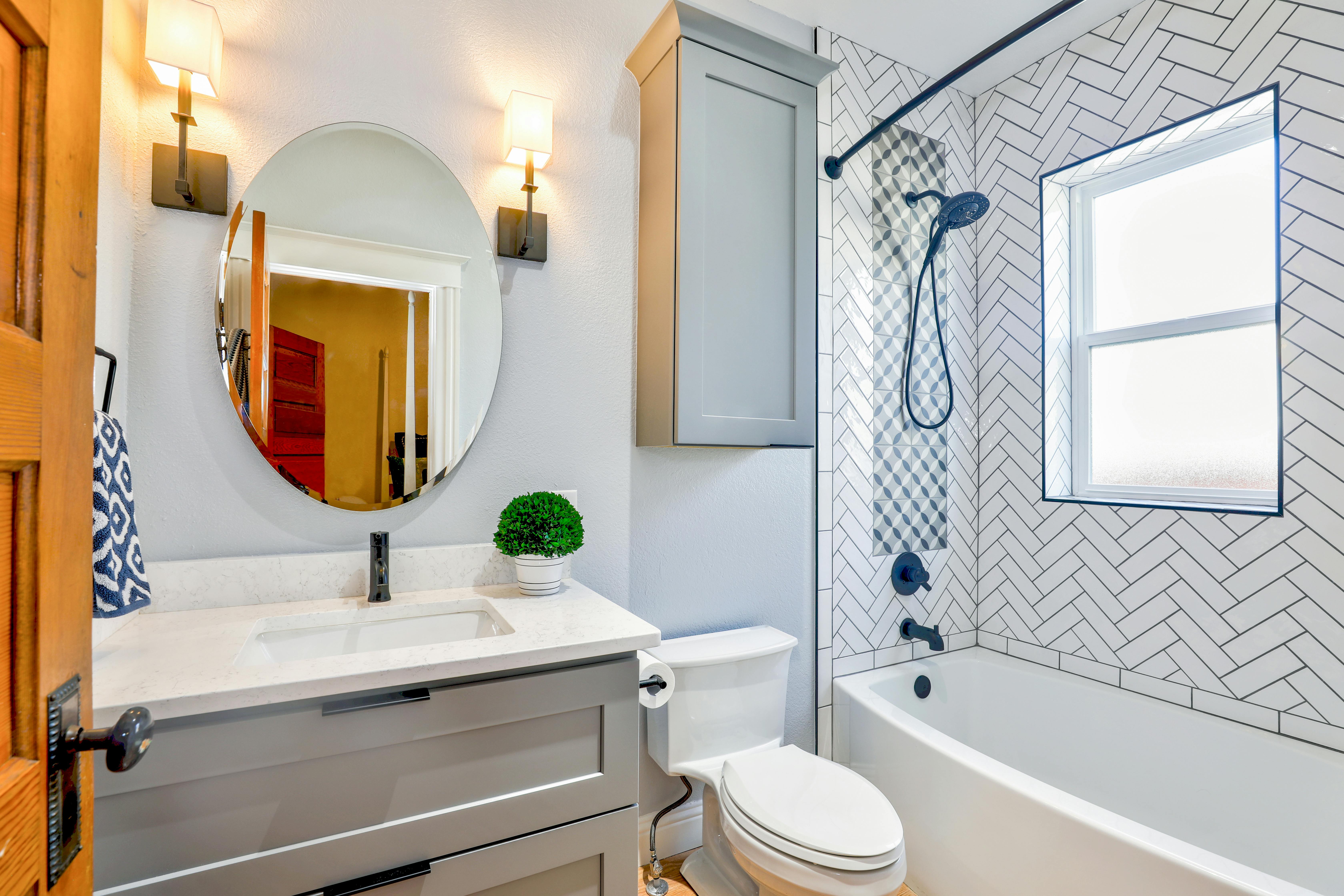
When it comes to everyday comfort and self-care, the choice between a shower and a bath is more than a matter of routine—it reflects lifestyle, wellness priorities, and even how a home functions for its occupants. Both options play an important role in daily hygiene and relaxation, but each offers distinct advantages depending on time, preferences, and household needs. Understanding the benefits and trade-offs of showers and baths can help homeowners make informed decisions that align with how they live now—and how they may want to live in the future.
Why Many People Prefer Showers
Showers are often the go-to choice for efficiency and convenience. For those with busy schedules, a quick shower provides an effective way to start or end the day without requiring a significant time commitment. They typically use less water than filling a bathtub, especially when kept brief, which can make them a more environmentally conscious option.
Beyond efficiency, showers offer physical benefits as well. Warm water can help relax muscles, support recovery after exercise, and improve circulation. Many people find showers energizing, making them ideal for mornings or resetting after a long day. From a design perspective, showers are also easier to adapt for accessibility. Features such as walk-in layouts, grab bars, benches, and handheld showerheads make them a safer and more practical option for individuals with limited mobility or those planning to age in place.
That said, older or poorly designed shower systems can present challenges, including inconsistent water pressure or temperature control. In these cases, upgrades or renovations may be necessary to maintain comfort and functionality.
The Comfort and Appeal of Baths
Baths offer something showers typically cannot: an opportunity to slow down. Soaking in warm water encourages relaxation, helping reduce stress, ease muscle tension, and create a calming mental reset. For many, a bath is less about hygiene and more about intentional self-care.
Baths can also support skincare routines. Warm water helps open pores, allowing for deeper cleansing and better absorption of skincare products. Incorporating elements like bath salts or aromatherapy can further elevate the experience and promote overall wellness.
From a lifestyle standpoint, baths are often seen as a luxury feature in a home, particularly in primary suites. While they do use more water than showers, many homeowners find the restorative benefits outweigh the trade-off, especially when used occasionally rather than daily.
Environmental Factors to Consider
Water and energy usage are important considerations when comparing showers and baths. A moderately timed shower generally consumes less water than a full bath, which can require a substantial amount to fill. Energy use also plays a role, as heating larger volumes of water impacts overall consumption.
That said, individual habits matter. Long, unattended showers can quickly exceed the water usage of a bath. Likewise, energy-efficient water heaters and mindful usage can make either option more sustainable. The most environmentally friendly choice often depends less on the fixture itself and more on how it’s used.
Health Benefits and Potential Drawbacks
Both showers and baths offer health benefits, but personal needs should guide the choice. Showers—particularly cooler ones—can promote alertness and circulation, while warm showers help relax muscles and ease tension. However, excessive exposure to hot water may aggravate certain medical conditions or dry out the skin.
Baths are widely associated with stress relief and pain management, especially for individuals dealing with joint discomfort or chronic muscle issues. On the other hand, frequent hot baths can lead to skin dryness or irritation if not balanced with proper skincare.
As with many wellness decisions, moderation and personalization are key.
Cost and Home Value Considerations
From a cost standpoint, showers generally result in lower ongoing water and energy expenses. Installation costs can vary widely depending on features and finishes, but modern showers often appeal to buyers seeking functionality and efficiency.
Bathtubs can be more expensive to maintain due to higher water usage, but they remain a desirable feature for many buyers—particularly families or those prioritizing comfort and relaxation. Homes with a thoughtful balance of both showers and baths often appeal to a wider range of buyers and lifestyles.
Cultural and Lifestyle Influences
Preferences around bathing are also shaped by culture and lifestyle. Showers are often associated with efficiency and modern living, while baths are viewed as indulgent and restorative. In some cultures, bathing rituals carry social, spiritual, or communal significance, influencing how these spaces are designed and used.
Understanding these perspectives can help homeowners design bathrooms that reflect both personal values and broader market appeal.
Finding the Right Balance
There is no universally “better” option between showers and baths—only what works best for the individual or household. Whether prioritizing efficiency, relaxation, accessibility, or resale value, each choice serves a different purpose.
In many homes, having both a well-designed shower and a comfortable tub offers the best of both worlds. Thoughtful bathroom design not only supports daily routines but also enhances comfort, wellness, and long-term livability—an important consideration for homeowners and buyers alike.

Heather Wright
| Wright At Home Properties | Harcourts The Garner Group
or another way