
Categories
REAL ESTATEPublished March 16, 2026
Choosing the Right Surface Coating: A Smart Strategy for Long-Lasting Homes

Written by Heather Wright
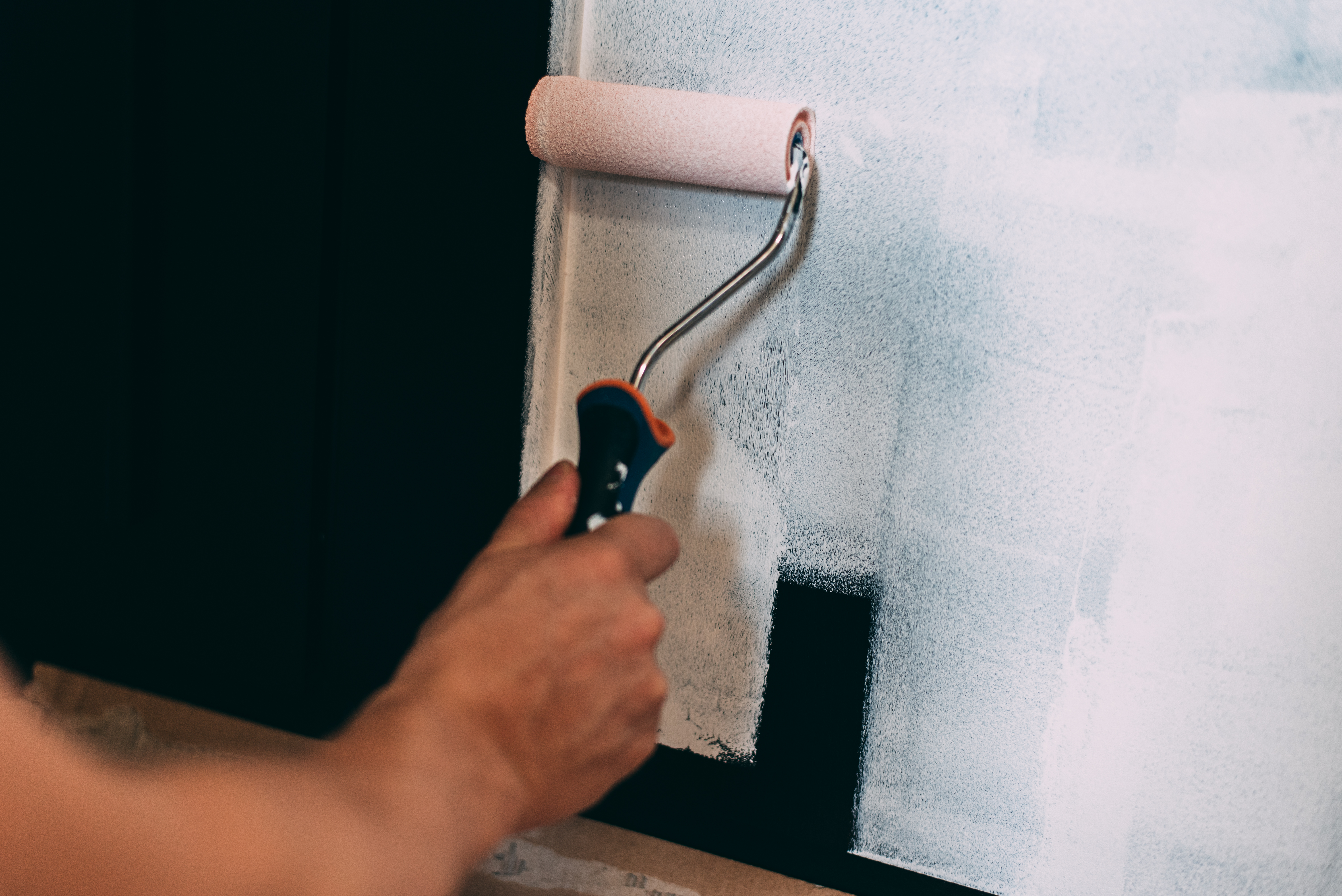
Selecting the right surface coating for a property may seem complicated at first. With so many options available—acrylics, epoxies, elastomerics, alkyds, and urethanes—it can be difficult to know which one is best. The key to durability, however, is much simpler than it appears. Long-lasting results come from choosing a coating that matches both the surface and the environment it will face.
For homeowners and property investors, making a practical decision from the beginning helps protect the structure, reduces long-term maintenance, and ultimately saves money. When coatings are selected thoughtfully, they not only enhance the appearance of a home but also play a critical role in protecting it from the elements.
Why Interior and Exterior Paints Are Not Interchangeable
Paint labels serve an important purpose. Interior and exterior coatings are formulated differently because they are designed to withstand very different conditions.
Exterior surfaces are constantly exposed to sunlight, rain, wind, and temperature fluctuations. Exterior paints are formulated with binders and additives that help them resist ultraviolet damage and moisture intrusion. Interior paints, on the other hand, are optimized for indoor durability and ease of cleaning, not harsh weather conditions.
Using interior paint outdoors can lead to premature issues such as fading, chalking, and peeling. For lasting results, it is always important to choose products specifically designed for their intended environment.
Environmental Factors That Impact Durability
Weather conditions are one of the biggest factors affecting the lifespan of a coating. Continuous exposure to ultraviolet rays gradually breaks down weaker paint binders and pigments. As the surface begins to degrade, small cracks can form, allowing moisture to penetrate beneath the coating.
Daily temperature swings also create stress on painted surfaces. As materials expand and contract, the coating must remain flexible enough to move with them without cracking or separating.
Manufacturers evaluate durability through accelerated weather testing that simulates repeated cycles of sunlight, heat, and moisture. These tests help determine how well a coating will perform over time. While laboratory conditions cannot perfectly replicate every climate, they provide valuable insight into how well a product may hold up in real-world conditions.
When a product includes clear performance data regarding UV resistance and moisture protection, it is often a good indication that the coating has been thoroughly evaluated for long-term durability.
Matching the Coating to the Surface
Every building material has unique characteristics, which means the right coating often depends on the surface being protected.
Wood surfaces expand and contract as they absorb and release moisture. Because of this natural movement, they require flexible coatings that can adapt without cracking. Primers are also essential for wood surfaces because they help block natural tannins and ensure even absorption for the topcoat.
Metal surfaces present a different challenge. Bare steel, for example, requires protection from corrosion. This typically involves a rust-inhibiting primer followed by a protective topcoat designed to repel moisture. Galvanized metals may require specialized primers to ensure proper adhesion.
Masonry materials such as stucco, brick, and concrete have their own set of considerations. These surfaces can retain moisture and may have higher pH levels. Breathable coatings allow moisture vapor to escape while preventing water from entering. In some cases, elastomeric coatings are used on stucco to help bridge small cracks and provide additional water resistance.
Simply selecting a color and finish is not enough. The coating must be compatible with the material beneath it to provide reliable, long-term protection.
Preparation and Application Matter More Than Most People Think
Even the highest-quality coatings can fail if the surface is not properly prepared. Preparation plays a major role in how well a coating adheres and how long it lasts.
Surfaces should always be cleaned to remove dirt, dust, and chalking that may prevent proper bonding. Glossy finishes may need to be lightly sanded so the new coating can adhere effectively. Cracks and damaged areas should be repaired before painting begins.
Applying the correct film thickness is equally important. Thin coatings may look acceptable initially but often fail prematurely because they do not provide adequate protection.
Several simple steps can significantly improve durability:
-
Clean surfaces thoroughly before applying new coatings.
-
Address moisture issues such as leaking gutters or poor drainage.
-
Use the recommended primer for bare or repaired areas.
-
Follow the manufacturer’s coverage rates and recoat times.
-
Avoid painting in extreme heat, direct sunlight, or when rain is expected.
When these steps are followed carefully, coatings are far more likely to perform as intended.
Looking Beyond the Initial Price
Cost is an important consideration, but focusing only on the price per gallon can be misleading. Lower-cost coatings may require more frequent repainting, which increases labor costs and material waste over time.
Higher-quality protective systems sometimes require a greater upfront investment, but they can reduce the frequency of major maintenance projects. Over the lifespan of a property, this can result in lower total costs and fewer disruptions.
When evaluating coatings, it is helpful to consider the full life cycle of the product, including:
-
Labor and equipment costs associated with repainting
-
Frequency of maintenance or reapplication
-
Surface preparation required for future projects
-
Long-term protection for the building materials
Homeowners and property managers who consider the long-term value of coatings often find that investing in better products leads to fewer repairs and longer intervals between repainting.
Understanding Labels and Product Information
Paint labels may appear heavily focused on marketing, but they often contain helpful information for making informed decisions.
Exterior coatings typically highlight the conditions they are designed to handle, such as high humidity, intense sunlight, or coastal environments. Resin type is another important detail to review. For example, 100 percent acrylic paints are commonly recommended for exterior siding due to their flexibility and durability.
Specialty coatings may be recommended for specific situations. Elastomeric coatings are useful for surfaces with minor cracking, while two-part epoxies or urethanes are often chosen for metal structures or areas that require high resistance to chemicals and abrasion.
Technical data sheets can also provide valuable details about adhesion performance, recommended primers, film thickness, and recoat windows. Reviewing this information helps ensure that the selected system is appropriate for the project.
A Practical Approach to Selecting the Right Coating
Choosing a durable coating does not have to be complicated. A simple approach can make the process much easier.
Start by evaluating the surface material and the environmental conditions it will face. Select a coating system designed for that surface first, and then choose a color and finish that complement the property.
Confirm that the proper primer, number of coats, and application conditions are clearly defined by the manufacturer. Taking time to clean and repair surfaces before painting will also improve the results significantly.
Keeping records of the product used, including the color and sheen, can also make future touch-ups or maintenance much easier.
Protecting Your Property with Smart Choices
Durability rarely happens by chance. It is the result of careful planning, proper preparation, and selecting materials that are suited for the environment.
For homeowners, this means fewer maintenance headaches and longer-lasting results. For property investors and sellers, it means preserving the value and appearance of the home.
When the right coating system is paired with proper application, the result is a finish that looks better, lasts longer, and protects the property for years to come.
Tags
REAL ESTATE, HOME VALUE, real estate tips, MOVING OUT TIPS, home improvement, HOUSE MAKEOVER, HOME REPAIR TIPS, FIRST TIME HOMEOWNER, HOME TIPS, HOME SEARCH, HOME BUYING TIPS, HOMEOWNER TIPS, home selling tips, SELLING TIPS, HOMEOWNERSHIP TIPS, homeowner, SELLING YOUR HOME, HOUSE HUNTING
or another way
Request property marketing plan
You're one step away from getting a free marketing plan that shows how we'll sell your home for the most amount of money in the least amount of time - hassle free.