
Categories
REAL ESTATEPublished February 4, 2026
Designing a Timber Entrance That Elevates Your Home’s First Impression

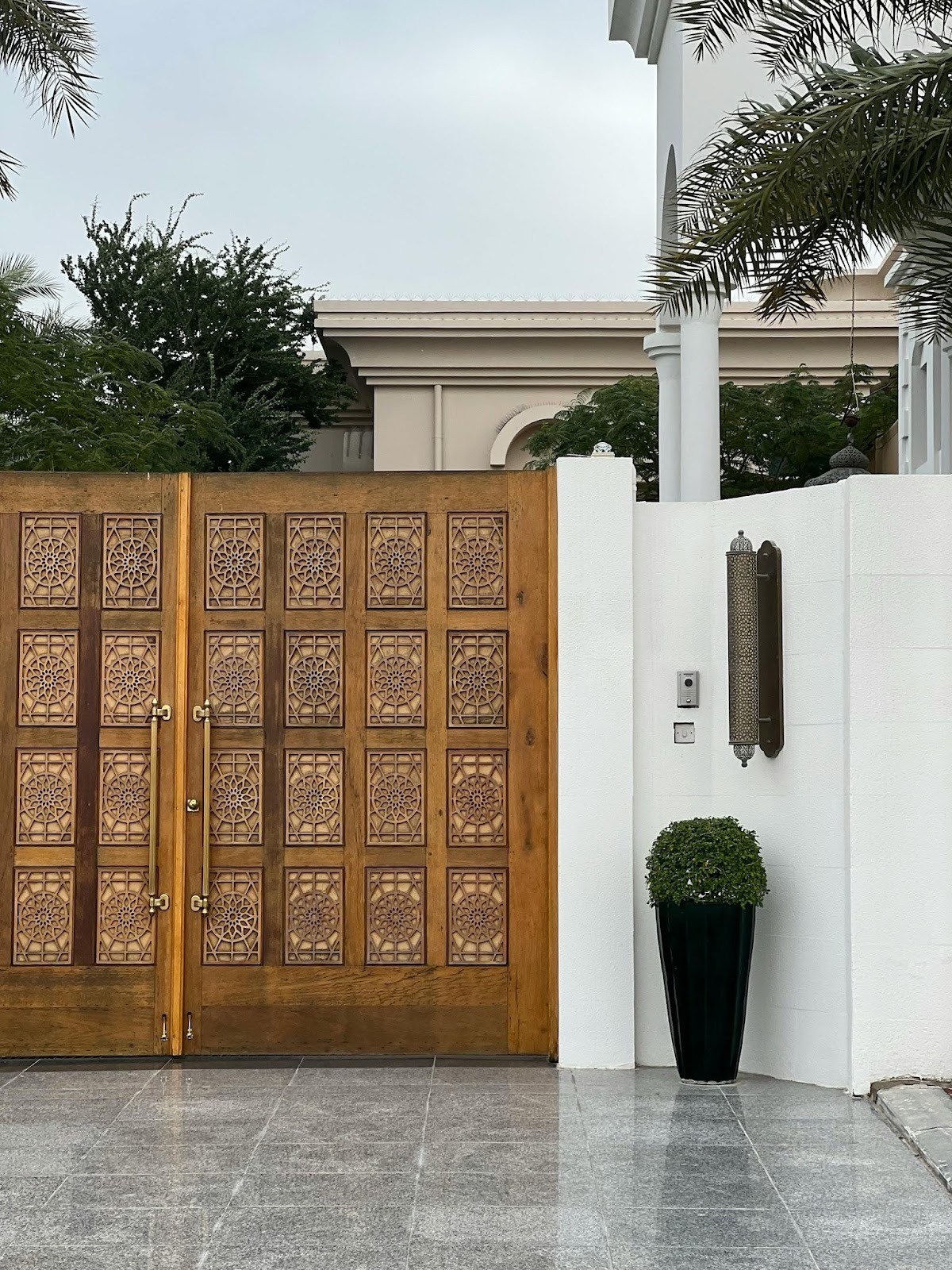
A well-designed timber entrance does far more than mark where your property begins. It shapes the first impression, sets expectations, and quietly communicates the character of the home beyond it. Whether subtle and modern or warm and traditional, timber entrances have a way of feeling both refined and inviting.
One of timber’s greatest strengths is its versatility. It can complement a sleek contemporary build just as easily as a coastal retreat, a farmhouse, or a classic brick home. The key is selecting a design that aligns with the home’s architecture, performs well in the local climate, and functions seamlessly in everyday life.
Start With Function: Define the Purpose of Your Entrance
Before selecting styles or finishes, it’s important to understand how the entrance will be used. Some properties call for a simple pedestrian entry that frames a front walkway, while others require wider access points for vehicles, deliveries, or equipment.
Daily routines play a big role here. Narrow openings can quickly become inconvenient for households with multiple vehicles. Families with pets or children may prioritize secure closures and full enclosures, while homeowners seeking privacy may focus on height and screening. Many properties benefit from combining a pedestrian entrance with driveway gates, creating a cohesive street-facing look while improving access control and usability.
Let Architecture Guide the Design
The most successful timber entrances feel intentional rather than added on. A modern home often pairs well with clean lines, vertical battens, and minimal detailing. More traditional homes may suit framed panels, softer curves, or visible craftsmanship.
Look closely at the home’s existing features—rooflines, window proportions, fencing, and exterior materials often provide design cues. Horizontal architectural elements can be echoed through slatted designs, while strong vertical features may be reinforced with upright battens.
Timber tone is just as important as form. Lighter finishes tend to feel relaxed and coastal, darker stains convey formality and depth, and mid-tone timbers offer timeless appeal across many architectural styles.
Choose Timber That Performs in Your Environment
Not all timber is equally suited for exterior use. Climate plays a significant role in determining how different timber species perform over time. Factors such as sun exposure, moisture, humidity, and salt air should all influence material selection.
Hardwoods are often favored for outdoor entrances due to their durability and resistance to wear, while treated softwoods can be effective when properly sealed and maintained. In harsher conditions, timber stability becomes especially important, as expansion and contraction can affect alignment, gate movement, and long-term performance.
A well-constructed entrance accounts for timber movement through proper spacing, framing, and quality finishing—details that protect both function and appearance.
Balance Privacy, Light, and Visibility
Timber entrances can offer excellent privacy, but it’s important to weigh that against light, airflow, and visibility. Fully solid designs create strong visual barriers but may limit natural light and sightlines. Slatted designs, on the other hand, provide privacy from the street while allowing filtered light and a more open feel.
Homeowners should also consider safety and visibility, especially where entrances connect to driveways or busy streets. Partial sightlines can help reduce blind spots, making daily use safer without sacrificing design intent.
Invest in Quality Hardware
Even the most beautiful timber entrance can quickly disappoint if the hardware fails. Hinges, latches, and fixings should be chosen for durability, weight capacity, and resistance to weather and corrosion.
For larger or heavier gates, load-rated hinges and proper alignment are essential to prevent sagging and sticking. Features such as soft-close mechanisms or automation can add convenience and a more refined experience, provided the design allows for proper installation and clearance.
From a design perspective, hardware should complement rather than dominate. Clean, understated finishes often work best, allowing the timber itself to remain the focal point.
Consider Maintenance From the Start
All timber entrances require some level of upkeep—the difference lies in how much maintenance you’re prepared to commit to. Some finishes need periodic reapplication to maintain color, particularly in high-sun areas, while others allow timber to naturally weather over time.
Thoughtful design can significantly reduce maintenance demands. Proper water runoff, raised edges, and clear separation from soil help prevent moisture damage and premature wear. These construction details often determine whether an entrance ages gracefully or becomes a problem feature.
Add Thoughtful Details for a Finished Look
Small details can transform a simple timber entrance into a standout feature. Integrated lighting enhances safety and creates a welcoming feel after dark. Address numbers, mailboxes, or short fence returns can help the entry feel complete and intentional.
Landscaping also plays an important role. Planters or greenery soften hard lines and tie the entrance into the surrounding property. For homes with longer approaches, repeating timber elements along the path can create visual continuity and a more polished overall presentation.
Work With Experienced Professionals
A timber entrance is both a design feature and a functional structure. Professional designers and installers bring valuable insight into proportions, materials, footing requirements, and long-term performance. This expertise becomes especially important for large or frequently used gates.
Experienced professionals can also anticipate challenges such as drainage, ground movement, and alignment—factors that are easy to overlook but critical to long-term success. The result is an entrance that not only looks impressive when installed but continues to operate smoothly and safely for years.
Final Thoughts
A stylish timber entrance is the result of thoughtful planning, not just aesthetic appeal. By defining its purpose, aligning design with architecture, choosing the right materials, and balancing durability with maintenance, homeowners can create an entry that enhances curb appeal, privacy, and daily functionality.
When function and design work together, a timber entrance becomes more than a boundary—it becomes a lasting investment in the home’s overall presence and value.
|


or another way