
Published March 5, 2025
Good Fences, Good Neighbors: Resolving Property Disputes with Ease

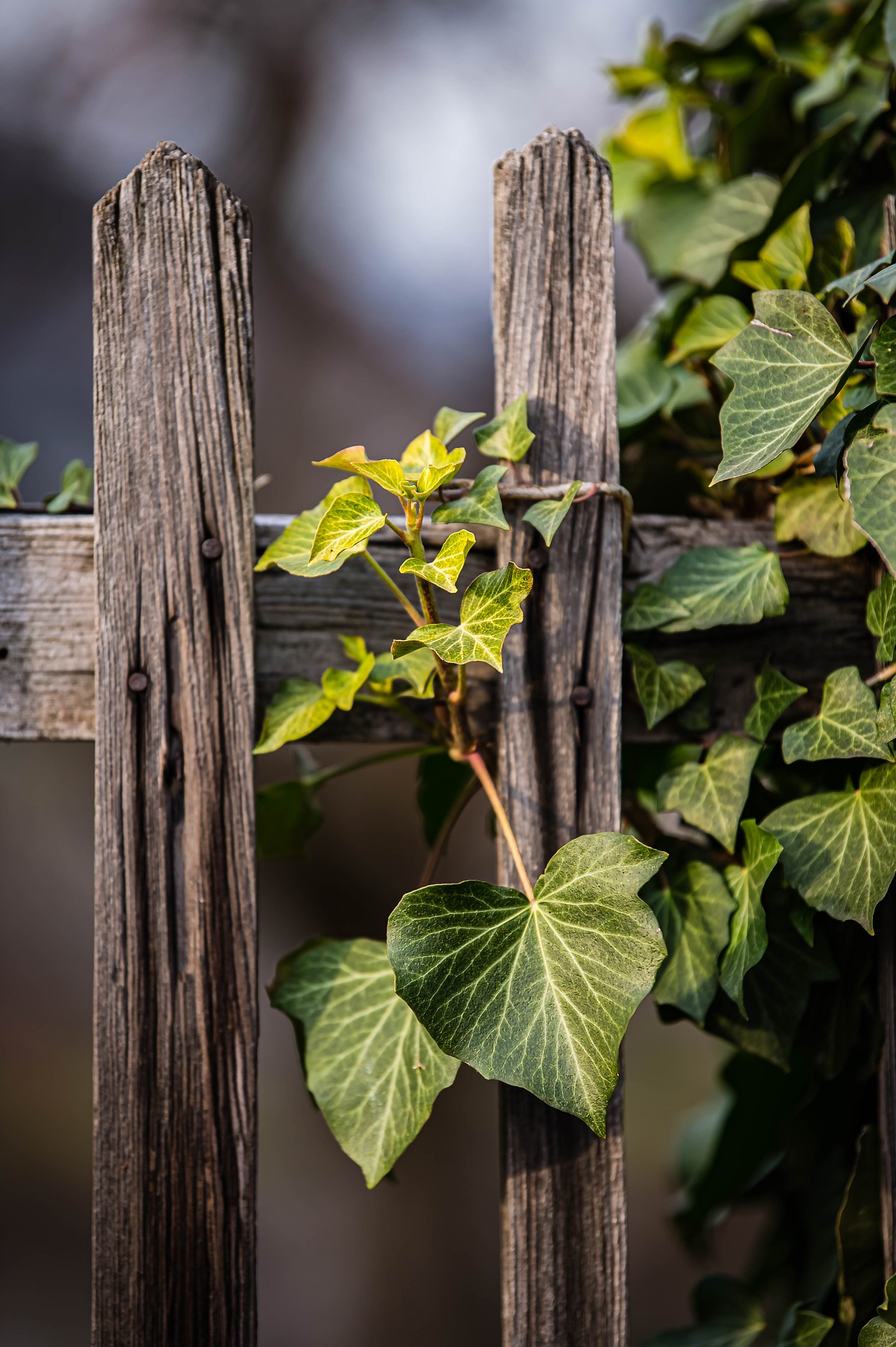
When it comes to homeownership, maintaining good relationships with neighbors is just as important as maintaining your property. But what happens when a simple fence turns into a major source of tension? Disputes over property lines, maintenance responsibilities, and aesthetic choices can escalate quickly if not handled with care. Here’s how to navigate these common neighborly conflicts with professionalism, respect, and a solution-oriented mindset.
Setting Clear Boundaries – Literally & Legally
One of the most common disputes between neighbors involves property lines. Before making any assumptions or changes, check your property deed or consult a licensed surveyor to confirm where your land ends and your neighbor’s begins. If you recently purchased your home, reviewing your property survey and title insurance policy can also provide clarity.
For those living in communities with a homeowners association (HOA), it’s essential to review their guidelines on fence height, style, and placement. Being proactive about these legal considerations can prevent misunderstandings before they start.
Open Communication: The Key to Neighborly Harmony
The best way to resolve conflicts is through honest, respectful conversation. Instead of assuming the worst, start with a friendly chat. Approach your neighbor at a convenient time and express your thoughts calmly. Active listening is just as important as voicing your concerns—acknowledging their perspective can help both parties find common ground.
Collaborating on fence design, maintenance responsibilities, or landscaping choices can also foster goodwill. If you’re making changes that might impact your neighbor’s view or property value, involve them in the process. A little consideration can go a long way in maintaining a positive relationship.
Put It in Writing
Verbal agreements can be forgotten or misinterpreted over time. If you and your neighbor come to an agreement—whether about fence maintenance, shared costs, or any property-related changes—document it. A simple written agreement can prevent future disputes and serve as a reference point if misunderstandings arise.
Be a Good Neighbor Beyond the Fence
Disputes don’t just happen over fences; they often stem from broader issues like noise levels, parking habits, or general upkeep. Being a considerate neighbor means keeping your property well-maintained, respecting shared spaces, and being mindful of how your actions affect those around you.
Small gestures, like offering to collect mail during vacations or helping with minor repairs, can create a stronger sense of community. Building goodwill makes it easier to resolve conflicts if they ever arise.
The Bottom Line
At the end of the day, being a good neighbor isn’t just about avoiding disputes—it’s about fostering a community where everyone feels respected and heard. Whether it’s a disagreement over a fence or a simple misunderstanding, approaching the situation with patience, professionalism, and a willingness to compromise will always yield the best results.
By handling these challenges with grace, you not only protect your property value but also build lasting neighborly relationships that make your home—and neighborhood—a better place to live.

Heather Wright
| Wright At Home Properties | Harcourts The Garner Group
or another way