
Categories
REAL ESTATEPublished January 27, 2026
Granite Countertops: A Lifetime Investment for Your Home

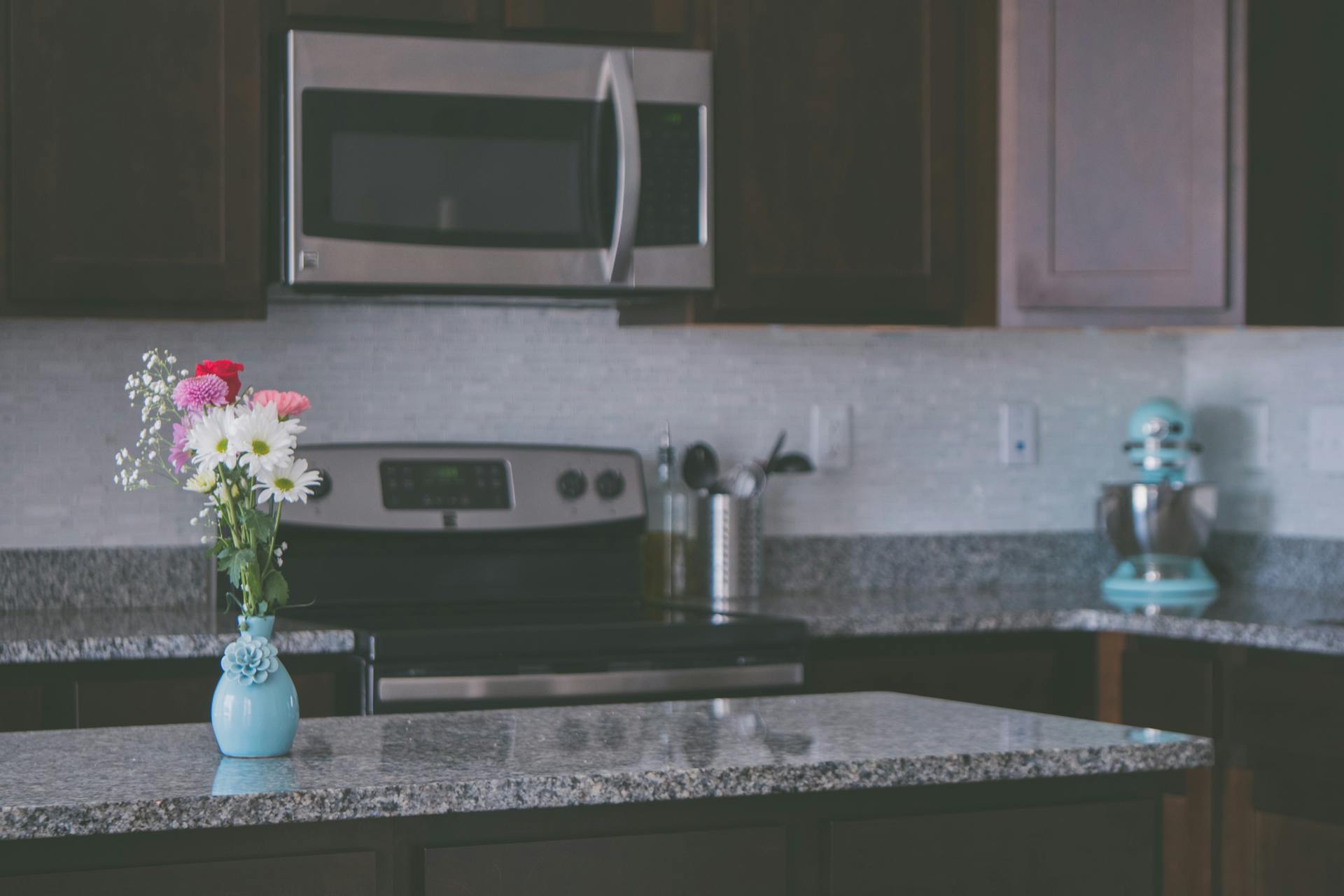
Granite countertops continue to be one of the most sought-after features in kitchens and bathrooms—and for good reason. Known for their natural beauty, durability, and timeless appeal, granite surfaces don’t just elevate a home’s style; they also stand the test of time. One of the most common questions homeowners and buyers ask is how long granite countertops actually last. The short answer is this: with proper care, granite can last a lifetime.
In this guide, we’ll explore what makes granite so durable, what affects its longevity, how it compares to other countertop materials, and how homeowners can protect their investment for years to come.
Why Granite Countertops Are Built to Last
Granite is a natural stone formed under extreme heat and pressure over millions of years. That process creates an exceptionally strong and resilient material well-suited for daily use in high-traffic areas of the home.
Key durability benefits include:
-
Exceptional hardness: Granite ranks high on the mineral hardness scale, making it resistant to scratches and surface damage.
-
Heat resistance: Hot pans and cookware typically won’t damage the surface when placed briefly on granite.
-
Stain resistance when sealed: Proper sealing helps repel moisture and everyday spills.
-
Long-term structural integrity: With correct installation and care, granite maintains its strength for generations.
How Long Do Granite Countertops Last?
Granite countertops can easily last 50 years or more when properly installed and maintained. Unlike many manufactured materials that show wear after a decade or two, granite’s natural stone composition allows it to age beautifully while maintaining its functionality.
For homeowners thinking long-term—or buyers evaluating value—granite offers confidence and durability that few materials can match.
What Impacts the Longevity of Granite Countertops
Several factors influence how long granite countertops will perform at their best:
-
Stone quality: Higher-quality slabs with fewer natural fissures tend to last longer.
-
Proper sealing: Regular sealing protects against stains and moisture infiltration.
-
Daily use and care: Gentle cleaning and avoiding harsh chemicals preserve the finish.
-
Professional installation: A properly leveled and supported installation prevents cracks and shifting.
-
Environmental exposure: Excessive humidity or constant direct sunlight may affect the surface over time.
When these factors are addressed, granite countertops can remain in excellent condition for decades.
How to Extend the Life of Your Granite Countertops
A little routine care goes a long way. Homeowners can protect their granite surfaces by following these best practices:
Seal as Recommended
Granite should be sealed periodically to maintain stain resistance. Frequency depends on usage and stone type, but regular checks help ensure ongoing protection.
Use Gentle Cleaning Methods
Daily cleaning with mild dish soap and water is typically all that’s needed. Avoid acidic or abrasive cleaners that can wear down the sealant.
Protect Against Damage
Use cutting boards to avoid unnecessary wear and trivets under hot cookware for added peace of mind.
Clean Spills Quickly
While sealed granite resists stains, substances like wine, coffee, or citrus should be wiped up promptly.
Avoid Excess Weight on the Surface
Standing or sitting on countertops—especially near edges or seams—can lead to cracking over time.
Granite Compared to Other Countertop Materials
When it comes to longevity, granite consistently outperforms many popular alternatives.
| Material | Average Lifespan |
|---|---|
| Granite | 50+ years |
| Quartz | 15–25 years |
| Marble | 20–40 years |
| Laminate | 10–20 years |
| Butcher Block | 20–30 years |
Granite offers superior heat resistance compared to quartz, greater durability than marble, and far more longevity than laminate or butcher block. For busy households and long-term value, granite remains a standout choice.
Common Misconceptions About Granite Countertops
Despite their popularity, granite countertops are often misunderstood.
-
Myth: Granite is high-maintenance
Reality: Granite requires minimal upkeep beyond sealing and routine cleaning. -
Myth: Granite stains easily
Reality: Properly sealed granite is highly stain-resistant. -
Myth: Granite cracks easily
Reality: Cracking is rare and typically linked to poor installation or extreme impact.
Choosing the Right Granite Color for Longevity
Color selection can impact both appearance and maintenance needs:
-
Black granite: Extremely durable and resistant to visible staining
-
White granite: Elegant and timeless, though it may require more frequent sealing
-
Gray granite: Versatile and excellent at hiding minor wear
-
Brown or beige granite: Ideal for busy kitchens due to its ability to mask wear and tear
The right color enhances both practicality and visual appeal.
Why Proper Installation Matters
Even the highest-quality granite depends on expert installation. Proper measurements, a sturdy cabinet base, professional-grade adhesives, and correct sealing all play a crucial role in long-term performance. Professional installation ensures stability, reduces the risk of cracks, and preserves the beauty of the stone.
Signs Your Granite Countertops May Need Attention
While granite is incredibly durable, it’s important to watch for signs that maintenance is needed:
-
Dull areas or light etching
-
Chips or visible cracks
-
Stains that no longer lift with cleaning
-
Loose or shifting seams
Minor issues can often be repaired, while larger problems may require professional restoration.
Are Granite Countertops Worth the Investment?
From a real estate perspective, granite countertops continue to be a strong selling feature. They offer long-term durability, elevate a home’s aesthetic, and appeal to buyers looking for quality finishes. While the upfront cost may be higher than some alternatives, the lifespan and low maintenance make granite a cost-effective investment over time.
Why Homeowners Continue to Choose Granite
Granite countertops deliver benefits beyond durability:
-
Unique natural beauty: No two slabs are exactly alike
-
Increased resale appeal: A feature many buyers actively seek
-
Environmentally responsible: A natural material with long-term usability
Frequently Asked Questions
How often should granite countertops be resealed?
Most granite countertops benefit from resealing every one to two years, depending on usage. A simple water absorption test can help determine when it’s needed.
Can granite crack over time?
Granite is highly durable. Cracks are uncommon and usually result from improper installation or significant impact.
Do granite countertops require special cleaning products?
No. Mild dish soap and water are sufficient for everyday cleaning. Avoid acidic products that can weaken the sealant.

Heather Wright
| Wright At Home Properties | Harcourts The Garner Group
or another way