
Categories
REAL ESTATEPublished December 30, 2025
How Plumbing Condition Affects Property Value

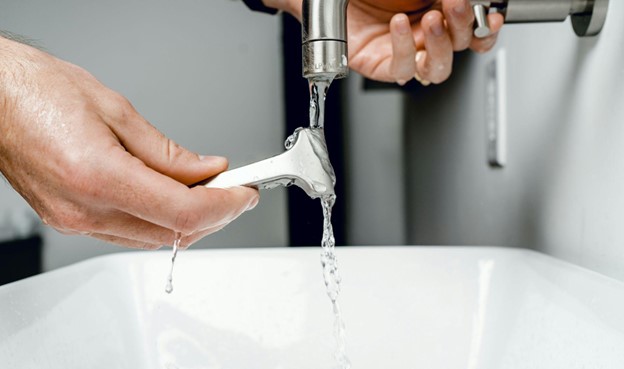
When homeowners think about what impacts property value, plumbing is rarely top of mind—until something goes wrong. Pipes are hidden behind walls, under floors, and beneath the yard, quietly doing their job. But while plumbing may be out of sight, it is never out of influence. In fact, the condition of a home’s plumbing system can significantly affect buyer confidence, negotiations, and the final sales price.
Today’s buyers are more educated and more cautious than ever. They understand that what’s behind the walls matters just as much as what’s visible during a showing. A well-maintained plumbing system signals responsible ownership, while outdated or poorly maintained plumbing can raise immediate concerns and, in some cases, limit a home’s buyer pool altogether.
Why Plumbing Shapes Buyer Perception
Buyers don’t walk into a home actively inspecting pipes, but they do notice water pressure, drainage, and how fixtures perform. Slow drains, low water pressure, gurgling toilets, or visible leaks may seem minor, but they create an impression that maintenance has been overlooked.
Modern kitchens and bathrooms with updated fixtures, smooth drainage, and leak-free showers subconsciously reassure buyers that the home has been cared for beyond its surface appearance. These subtle signals build confidence and reduce hesitation—an important factor when buyers are deciding how strong of an offer to submit.
Inspection Findings Can Change Everything
Professional inspections are where plumbing issues often come to light. Inspectors look for leaks, corroded or aging pipes, water damage, and signs of previous repairs. When plumbing concerns appear in an inspection report, buyers often respond cautiously.
Depending on the severity, buyers may request repairs, ask for credits, reduce their offer, or walk away altogether. Major plumbing issues—such as sewer line problems or widespread pipe replacement—can significantly impact appraised value and slow down or derail a transaction. This is especially common in older homes with outdated materials that no longer meet current standards.
Functionality Isn’t Exciting—But It’s Essential
Plumbing affects everyday livability. Consistent hot water, even water pressure, properly functioning fixtures, and efficient drainage are basic expectations, not luxury features. When these systems work seamlessly, they support a buyer’s emotional connection to the home.
Compare two similar properties: one with reliable hot water, clean drains, and no signs of water damage, and another with pooling water, stains from old leaks, or inconsistent pressure. Even if the homes look similar, buyers almost always gravitate toward the one that feels “problem-free.” That perceived reliability translates directly into value.
Repair Costs Influence Offers—Even Before Numbers Are Known
When plumbing issues are identified, buyers naturally factor in repair costs when determining their offer. Even without exact estimates, the sense that “something will need fixing” can lower perceived value and suppress competitive bidding.
Large repairs—such as sewer lines, slab leaks, or whole-system replacements—can escalate quickly. Homes without documented plumbing maintenance or recent updates often face tougher negotiations, while properties that show proactive care tend to attract cleaner, more confident offers.
Plumbing Affects Insurance and Financing
Plumbing doesn’t just impact buyers—it can influence lenders and insurance providers as well. Some lenders require satisfactory inspections before approving a loan, and deferred maintenance can create obstacles.
Insurance companies may view older plumbing systems as higher risk, which can lead to increased premiums or limited coverage for water-related damage. Savvy buyers recognize this and incorporate those long-term costs into their decision-making process. If a home has a history of plumbing-related insurance claims, it may stay on the market longer or sell for less.
Well-Maintained Plumbing Reflects Overall Care
Buyers often view plumbing as a reflection of how the entire home has been maintained. If issues appear in essential systems, buyers may wonder what else has been overlooked.
On the other hand, evidence of ongoing plumbing upkeep suggests thoughtful, responsible ownership. That perception builds trust, strengthens buyer confidence, and supports stronger pricing.
Modern Plumbing Is a Selling Advantage
Updated plumbing systems, water-efficient fixtures, and modern drainage solutions can absolutely be selling points. Today’s buyers are increasingly aware of efficiency, sustainability, and long-term operating costs. Homes with updated systems often stand out—not just for aesthetics, but for peace of mind.
Older homes, while full of character, frequently come with outdated plumbing. If those systems haven’t been addressed, buyers may factor in added risk and negotiate accordingly. When sellers proactively update plumbing in older properties, the market often responds more favorably.
The Power of Pre-Listing Plumbing Inspections
A pre-listing inspection can protect a home’s value and prevent last-minute surprises. Identifying and addressing plumbing issues ahead of time allows sellers to control timelines, manage costs, and market the home with confidence.
When buyers know that a home’s plumbing has already been reviewed and maintained, it reduces friction during negotiations and supports smoother closings.
Plumbing May Be Hidden—but It Matters
Plumbing isn’t always visible during a showing, but its impact on a home’s value is undeniable. Properties with updated or well-maintained plumbing tend to sell faster, attract stronger offers, and experience fewer hurdles during escrow.
Whether you’re preparing to sell or planning for long-term ownership, paying attention to your plumbing system is an investment in your home’s value. As a real estate professional, I’ve seen firsthand how proactive maintenance behind the scenes can make a meaningful difference in the marketplace.
If you’re considering selling and want guidance on where to focus your efforts for maximum return, professional insight can help you prioritize the improvements that matter most.

Heather Wright
| Wright At Home Properties | Harcourts The Garner Group
or another way