
Categories
REAL ESTATEPublished July 27, 2026
Make Every Room Feel Bigger: Interior Design Strategies That Transform Your Home
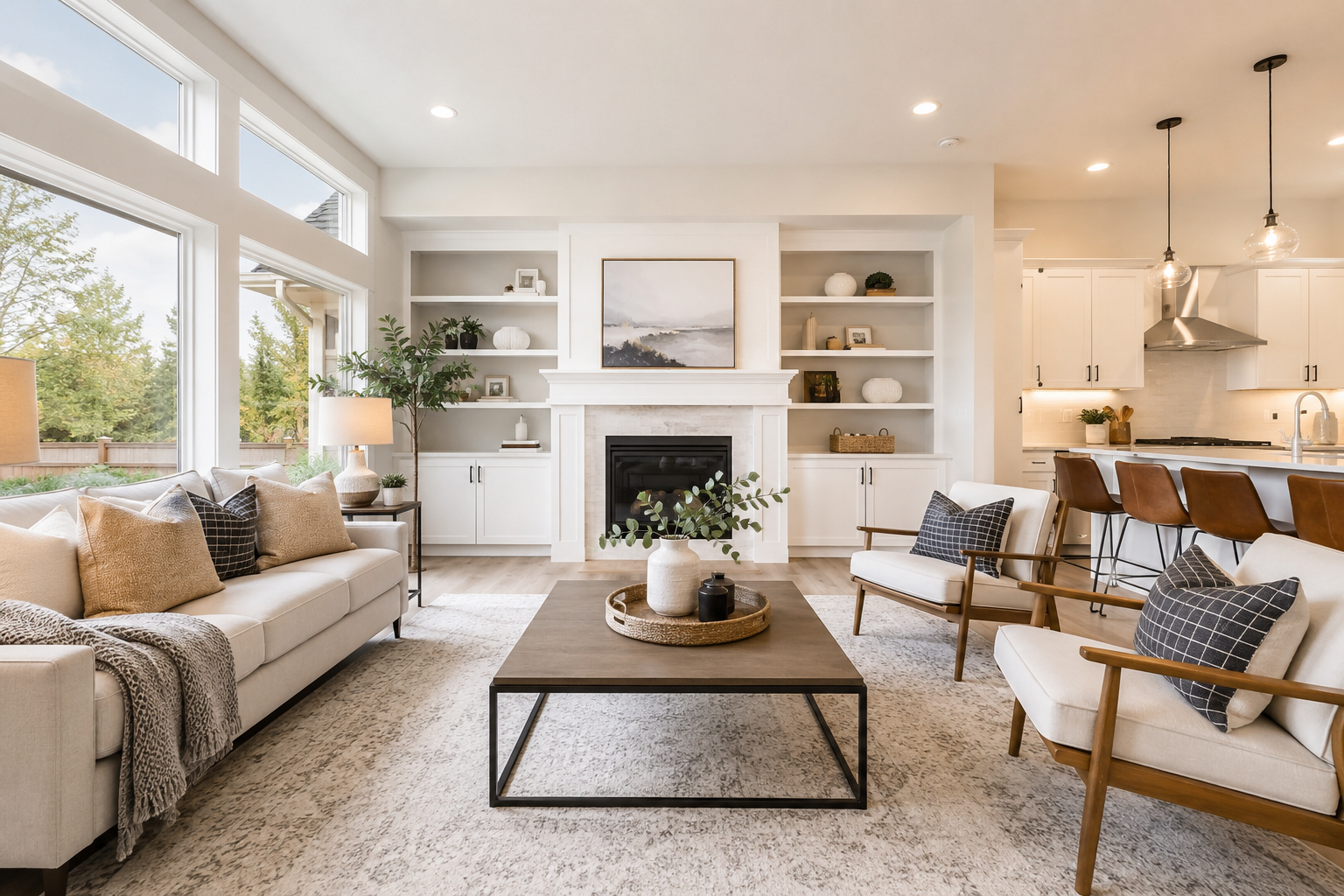
Whether you're preparing to sell your home or simply want to create a more open, inviting living space, making a room feel larger doesn't always require a major renovation. Thoughtful design choices can dramatically improve how spacious a home looks and feels, often without adding a single square foot.
As a real estate agent, I've seen firsthand how a well-designed interior can leave a lasting impression on buyers. Spacious, bright rooms not only photograph better but also help potential buyers imagine themselves living comfortably in the home. The good news is that many of these techniques are simple enough for any homeowner to implement.
Start with a Light Color Palette
Color plays a significant role in how large a room appears. Soft neutrals and lighter shades naturally reflect more light, creating an open and airy atmosphere. Whites, warm beiges, soft grays, and muted earth tones can help walls visually recede, making the room feel more expansive.
That doesn't mean your home has to feel plain. Adding subtle contrast through furniture, artwork, textiles, or accent pieces creates visual interest while maintaining an open feel.
Maximize Natural Light
Natural light instantly makes a room appear brighter and more spacious. Keep windows as open as possible by choosing light, flowing curtains or mounting drapery higher and wider than the window frame. This creates the illusion of larger windows while allowing more sunlight to fill the room.
If natural light is limited, layer your lighting with ceiling fixtures, floor lamps, table lamps, and wall sconces to eliminate dark corners and create a balanced, welcoming environment.
Choose Furniture That Fits the Space
Oversized furniture can quickly overwhelm a room, while pieces that are appropriately scaled allow for better flow and functionality. Consider furniture with exposed legs rather than bulky bases, as the visible floor space creates a lighter, more open appearance.
Whenever possible, avoid overcrowding the room. A few well-chosen pieces often have a greater impact than filling every available corner.
Use Mirrors to Add Depth
Mirrors remain one of the most effective design tools for making a room feel larger. Positioned across from windows or near natural light, they reflect both light and views, creating the illusion of additional depth and brightness.
Large statement mirrors can become attractive focal points while helping smaller rooms feel significantly more spacious.
Reduce Visual Clutter
An organized room naturally feels larger than one filled with excess belongings. Keep countertops, shelves, and furniture surfaces clean and intentional. Hidden storage solutions, decorative baskets, built-in shelving, and multifunctional furniture can help maintain a tidy appearance without sacrificing practicality.
Minimal doesn't have to mean empty—it simply means giving each item room to stand out.
Create Vertical Interest
Drawing the eye upward can make ceilings appear taller. Floor-to-ceiling curtains, tall bookcases, vertical wall paneling, and oversized artwork help emphasize height while adding character to the room.
Even small design adjustments that encourage vertical movement can dramatically change how spacious a room feels.
Keep Flooring Consistent
Using the same flooring throughout connected living areas creates visual continuity, making the home feel larger and more cohesive. If changing flooring isn't an option, coordinating rugs with your flooring color can help maintain a seamless appearance.
Limiting abrupt changes in materials and colors allows the eye to move naturally from one space to another.
Let Furniture Breathe
Many homeowners instinctively place every piece of furniture directly against the walls. Surprisingly, pulling certain furniture slightly away from the wall can create depth and improve the overall layout. Well-defined conversation areas often make rooms feel more intentional and surprisingly more spacious.
Maintaining comfortable walkways also improves both functionality and visual balance.
Incorporate Glass and Reflective Materials
Glass coffee tables, acrylic furniture, mirrored finishes, and reflective décor create openness because they don't visually block the room. These materials help maintain sightlines while adding a modern, sophisticated touch.
Even small reflective accents can brighten the space without making it feel crowded.
Focus on Simplicity
A cohesive design always feels larger than one filled with competing colors, patterns, and styles. Choose a consistent color palette, limit excessive decorative accessories, and prioritize quality over quantity when styling each room.
Simple, intentional spaces allow architectural features and natural light to take center stage.
Why Spacious Homes Appeal to Buyers
When buyers walk through a home, they're evaluating more than square footage—they're paying attention to how the space feels. Bright, open rooms create an emotional connection and often leave a stronger first impression than cluttered or poorly arranged interiors.
If you're thinking about selling, these simple design updates can enhance your home's presentation, improve listing photos, and help buyers appreciate its full potential. Even modest improvements can make a meaningful difference in how your property is perceived.
A home doesn't need to be larger to feel larger. With thoughtful design choices, strategic furniture placement, and attention to light and layout, you can transform any room into a space that feels comfortable, welcoming, and beautifully open.
If you're considering selling your home and would like personalized advice on preparing it for today's market, I'd be happy to help you identify improvements that can maximize your home's appeal and value.
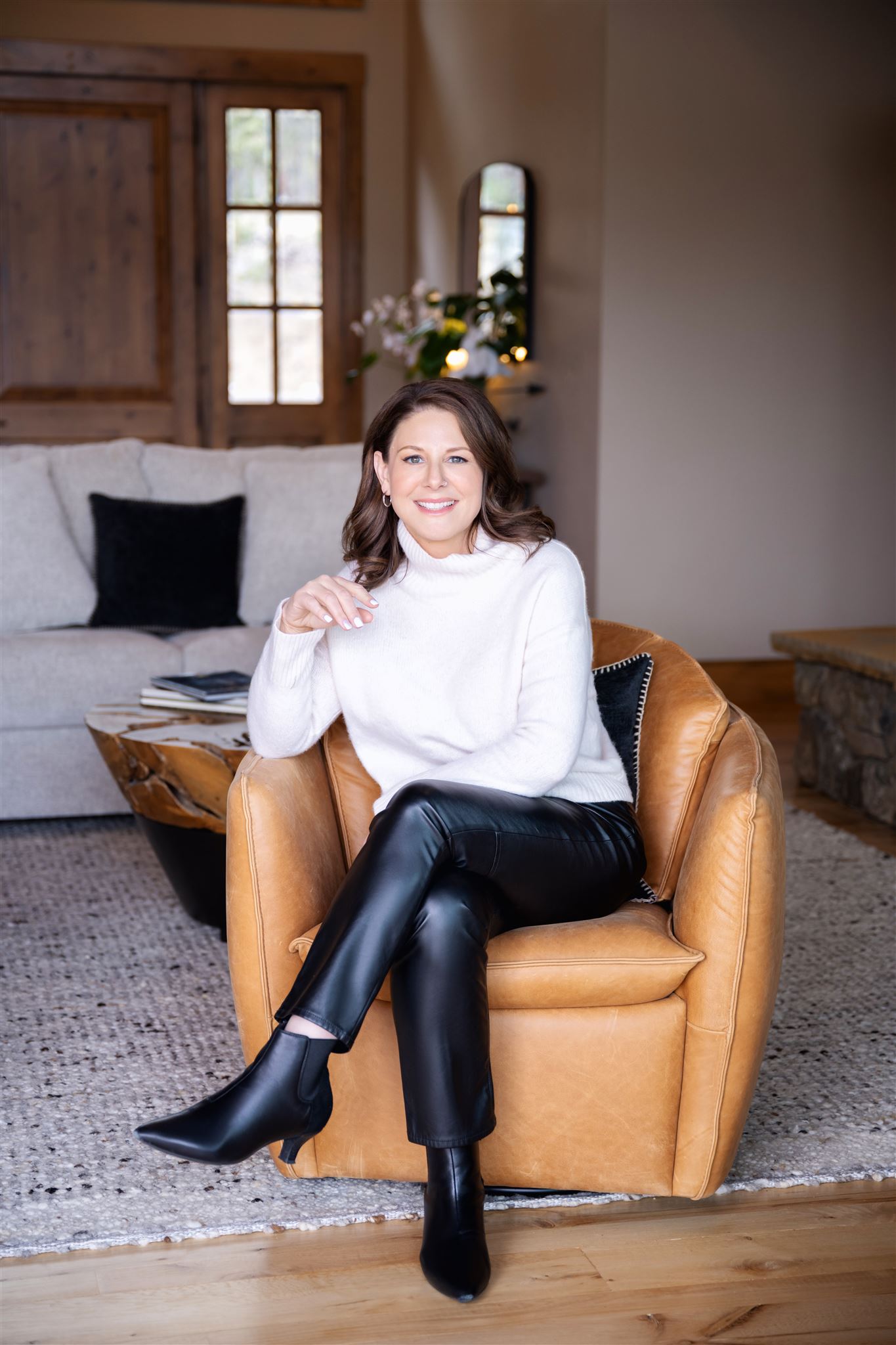
Heather Wright
| Wright At Home Properties | Harcourts The Garner Group
or another way