
Categories
REAL ESTATEPublished February 2, 2026
Reasons Why Your AC Isn’t Working Properly

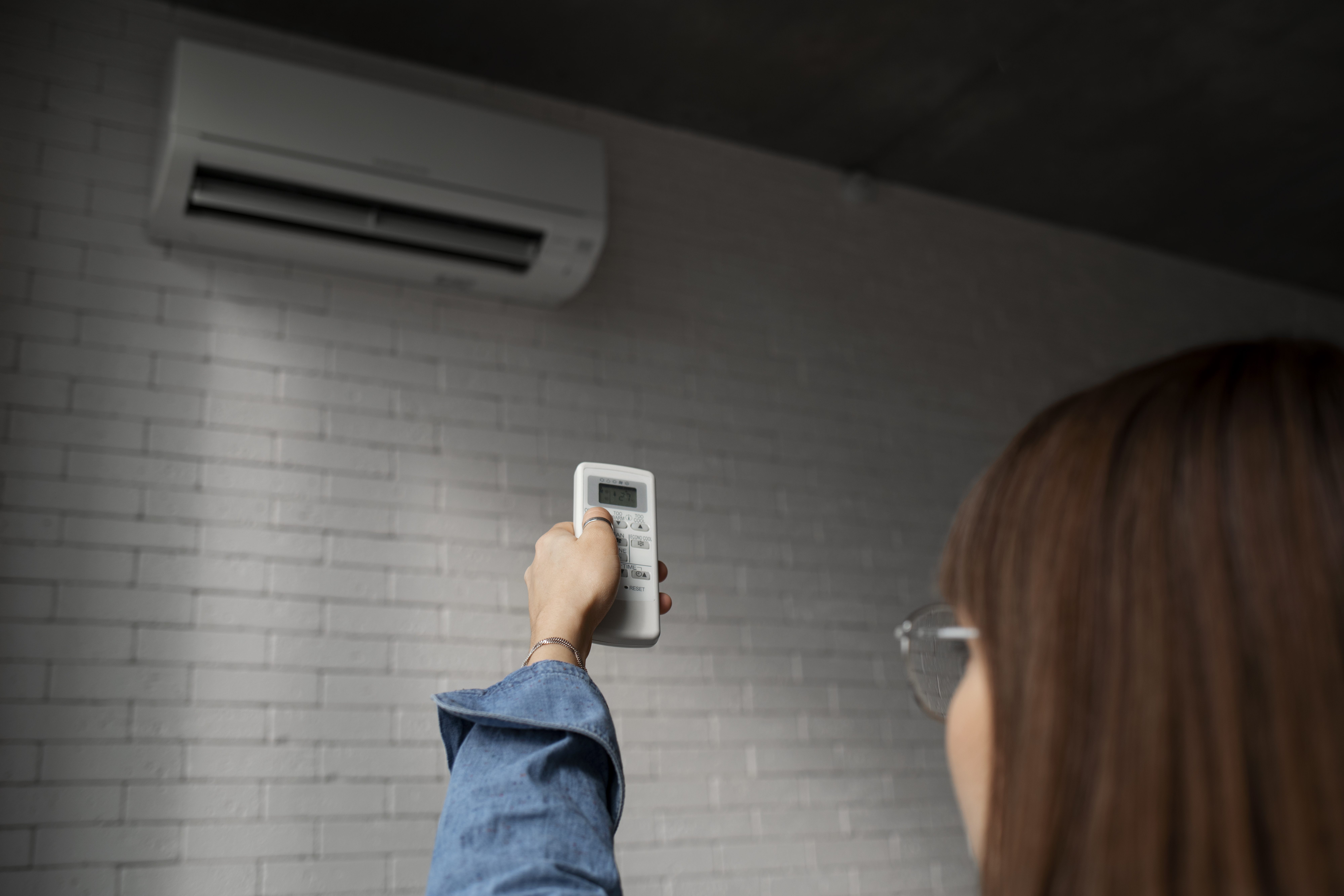
When temperatures climb, a reliable air conditioning system isn’t just a luxury—it’s essential for everyday comfort and health. Yet many homeowners find themselves frustrated when their AC suddenly stops cooling efficiently or struggles to keep up. Understanding what’s behind an underperforming system can help you address issues early, avoid costly repairs, and stay comfortable when it matters most.
Below are the most common reasons air conditioning systems fail to perform properly—and what homeowners should know before small problems turn into major headaches.
Common Air Conditioning Problems
One of the most frequent and overlooked issues is a dirty air filter. Clogged filters restrict airflow, forcing the system to work harder than necessary and reducing overall efficiency. Regularly cleaning or replacing filters helps maintain consistent airflow and prevents unnecessary wear on your system.
Refrigerant issues are another common concern. Low refrigerant levels—often caused by leaks—limit your AC’s ability to cool effectively. This not only drives up energy bills but can also lead to serious compressor damage if left unchecked.
Installation quality and equipment age also play a major role. An improperly installed or outdated unit may struggle to maintain consistent temperatures, putting added strain on the system. Catching these issues early can save homeowners from expensive repairs and uncomfortable living conditions.
Thermostat Troubles
Your thermostat controls how and when your air conditioner runs. If it isn’t functioning correctly, your AC won’t either. Sometimes the fix is simple—adjusting settings, replacing batteries, or recalibrating the unit.
In other cases, a malfunctioning thermostat may send incorrect signals, causing uneven or insufficient cooling. Many homeowners choose to upgrade to programmable or smart thermostats, which offer better accuracy, improved energy efficiency, and greater control over cooling schedules.
Understanding how your thermostat works—and keeping it properly maintained—can significantly improve your system’s overall performance.
Blocked or Restricted Airflow
Blocked air vents can quietly sabotage your AC’s effectiveness. Furniture, rugs, or curtains can easily obstruct vents, limiting airflow and leading to uneven temperatures throughout the home. If some rooms feel noticeably warmer or cooler than others, obstructed vents are often the cause.
Ductwork issues can also reduce efficiency. Leaks, debris buildup, or poor sealing allow cooled air to escape before it reaches living spaces. Routine duct inspections and cleanings improve airflow, increase energy efficiency, and support healthier indoor air quality.
Electrical and Mechanical Issues
Electrical problems can quickly disrupt an otherwise functional system. Faulty wiring, blown fuses, or damaged components may prevent your AC from operating safely or consistently. Warning signs such as unusual noises, burning smells, or frequent system shutdowns should never be ignored.
The compressor, one of the most critical components in an AC system, is especially vulnerable without routine maintenance. Regular professional inspections help identify mechanical concerns early and reduce the risk of total system failure.
Improper AC Sizing
Air conditioner size matters more than many homeowners realize. A system that’s too small will struggle to cool the space effectively, while an oversized unit may cycle on and off too frequently, increasing wear and energy use.
Proper sizing ensures consistent cooling, improved comfort, and lower utility costs. Consulting an HVAC professional before installing or replacing a system helps ensure the unit is appropriately matched to your home’s square footage and layout.
The Importance of Regular Maintenance
Routine maintenance is one of the most effective ways to extend the life of your air conditioning system. Annual professional inspections allow technicians to identify small issues before they escalate into expensive repairs.
Seasonal tune-ups typically include checking refrigerant levels, cleaning coils, inspecting ductwork, and ensuring all components are functioning correctly. Preventative care not only improves efficiency but also supports long-term reliability.
Energy Efficiency Warning Signs
Even if your AC is still running, rising energy bills can signal deeper problems. Dirty coils, worn components, duct leaks, or low refrigerant levels may force the system to work harder than necessary.
Addressing efficiency issues early helps reduce monthly costs and prevents unnecessary strain on the system. Small fixes often make a big difference in both comfort and long-term performance.
When Replacement Becomes the Better Option
While repairs and maintenance can extend an AC system’s lifespan, replacement may eventually be the more practical solution. Most air conditioners last between 10 and 15 years. If your unit is nearing that range and experiencing frequent breakdowns, upgrading may save money over time.
Modern systems offer significantly improved energy efficiency, quieter operation, and advanced temperature control. A professional evaluation can help determine whether continued repairs make sense or if investing in a new unit is the smarter long-term move.
Final Thoughts
Air conditioning issues can stem from a wide range of factors—from dirty filters and blocked vents to electrical problems and improper sizing. Staying proactive with maintenance and paying attention to early warning signs can help homeowners avoid discomfort, unexpected expenses, and system failures.
A well-maintained, properly sized AC system not only improves comfort but also protects your home’s value and efficiency. Being informed allows homeowners to make confident decisions and stay ahead of problems before peak heat arrives.

Heather Wright
| Wright At Home Properties | Harcourts The Garner Group
or another way