
Categories
REAL ESTATEPublished March 23, 2026
Should You Replace Your Windows Before Selling? A Practical Guide to Making the Right Call

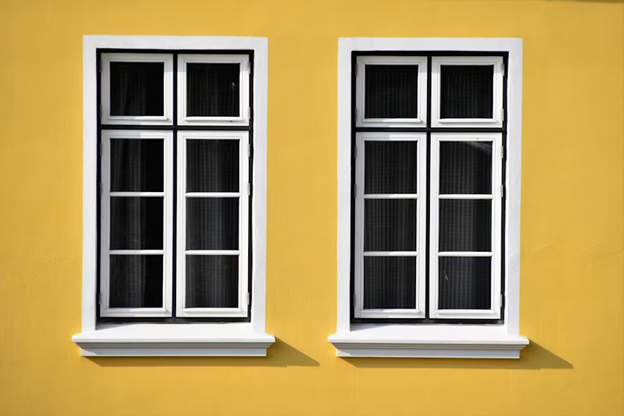
Standing in your living room, you may find yourself noticing every small imperfection—especially those aging windows that rattle on windy nights. With your home about to hit the market, the question becomes: is it worth replacing them, or should you sell as-is?
The truth is, there’s no one-size-fits-all answer. In some cases, new windows can elevate your sale price and attract stronger offers. In others, the return simply doesn’t justify the investment. The key is understanding where your property stands and making a strategic decision before committing to the upgrade.
When Replacing Windows Makes Financial Sense
Window replacements tend to deliver value when they directly impact how buyers perceive your home. This is especially true when:
- Your home needs stronger visual appeal to stand out online and in person
- There are visible issues that could raise red flags during inspection
- Reducing time on market could save you meaningful carrying costs
- Buyers will immediately notice comfort issues like drafts, condensation, or outside noise
On the other hand, if your home is already competitively priced or located in a market where buyers expect to renovate, replacing windows may not significantly influence your bottom line.
Understanding What Buyers Really See
Buyers aren’t focused on the windows themselves—they’re focused on what those windows represent.
Old or damaged windows often signal future expenses, added work, and uncertainty. That perception can lead to lower offers or requests for credits during negotiations. In contrast, clean, modern windows create a sense of care, efficiency, and move-in readiness. They also enhance listing photos, which can drive more showings and stronger initial interest.
A Simple Way to Evaluate Your Return
Before moving forward, it’s helpful to think in terms of overall impact rather than just cost.
Net Gain = (Increased Sale Price + Savings from Selling Faster + Avoided Concessions) − (Project Cost + Timing/Risk)
- Increased Sale Price: How much more your home could sell for with the upgrade
- Faster Sale Savings: Reduced expenses like mortgage payments, utilities, and insurance
- Avoided Concessions: Repairs or credits you may not need to offer during negotiations
- Project Cost + Timing: The actual investment, plus any delays to your listing timeline
Even small shifts—like generating more buyer interest or receiving multiple offers—can significantly influence the final outcome.
What Appraisers Factor In
While new windows alone won’t dramatically increase your appraised value, overall condition plays an important role. Worn, damaged, or non-functional windows can pull your valuation down. A consistent, updated look, however, helps support a stronger overall condition rating and can protect your home’s value during appraisal.
Choosing the Right Approach
If you decide to move forward, a strategic approach is essential. Work with professionals who understand pre-sale improvements and can complete the job efficiently. Be sure to:
- Request detailed, written estimates with product specifications
- Confirm timelines to avoid delaying your listing
- Choose options with transferable warranties, which add buyer confidence
When It’s Clearly Worth It
Replacing windows is often the right move when:
- There is visible damage such as rot, broken components, or non-working parts
- Seals have failed, causing fogging or condensation between panes
- Noise or drafts negatively impact the showing experience
- Your home has inconsistent or outdated window styles that affect its overall appearance
Focus on Comfort Over Technical Details
Buyers respond more to how a home feels than to technical specifications. While energy efficiency is a plus, what truly resonates is comfort—quiet interiors, consistent temperatures, and natural light. If you’ve made improvements, simple, clear documentation can help reinforce that value.
Matching Style to Market Expectations
Window design should complement your home’s architecture and align with buyer expectations in your area. Clean lines for modern homes, appropriate grid patterns for traditional styles, and cohesive finishes all contribute to a polished presentation. Overly personalized choices, however, can limit appeal.
Timing Matters More Than You Think
One of the biggest risks with pre-sale upgrades is losing momentum. To avoid delays:
- Coordinate installation alongside staging and photography plans
- Keep the property clean and show-ready throughout the process
- Prioritize highly visible areas if time is limited
- Ensure all documentation is ready for buyers and agents
Have a Strategy Conversation Before Deciding
Before making a final decision, it’s important to evaluate two clear scenarios:
- Listing your home as-is, including potential time on market and expected buyer negotiations
- Listing after improvements, factoring in increased appeal and reduced concessions
Reviewing both options side-by-side provides clarity and allows you to move forward with confidence.
A Practical Pre-Listing Checklist
If a full replacement isn’t necessary, smaller improvements can still make a meaningful impact:
- Deep clean all glass, tracks, and screens
- Repair any operational issues
- Address visible damage properly
- Replace or fix failed seals in key living areas
- Refresh trim and caulking for a clean finish
- Ensure all upgrades are completed before photography
Final Thoughts
Replacing your windows can be a smart pre-sale investment—but only when it enhances how buyers perceive your home, shortens your time on market, or reduces negotiation hurdles.
In many cases, targeted improvements can deliver the same benefits without the full expense. The goal is not just to upgrade—but to make every improvement work in your favor when it matters most: attracting buyers, securing strong offers, and closing with confidence.

Heather Wright
| Wright At Home Properties | Harcourts The Garner Group
or another way