
Categories
REAL ESTATEPublished May 13, 2026
Smart Ways to Upgrade Your Windows Without Emptying Your Savings

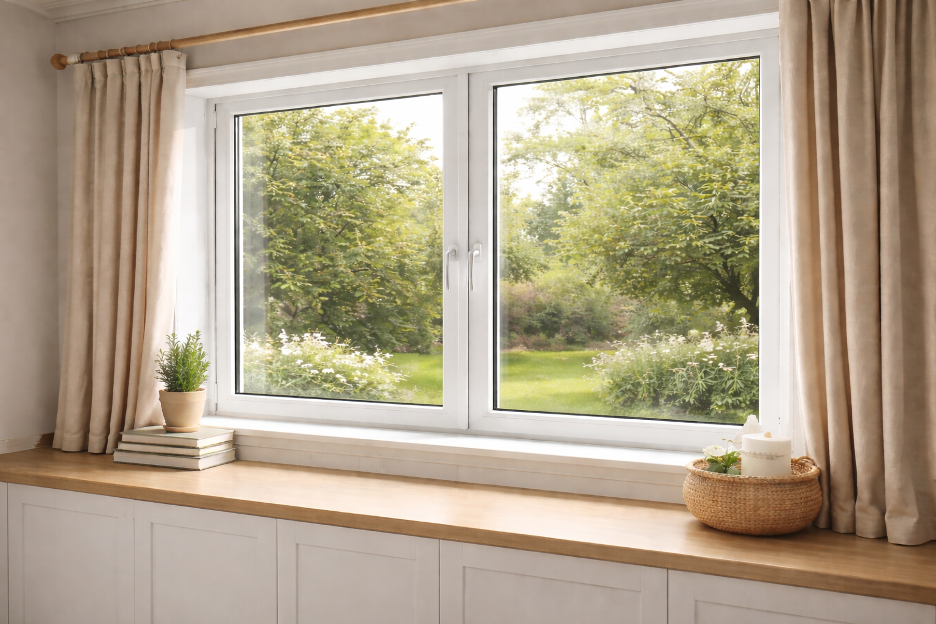
Replacing your windows is one of the most valuable improvements you can make as a homeowner. New windows can improve comfort, lower monthly energy costs, boost curb appeal, and make your home more attractive to future buyers. But for many homeowners, the biggest hesitation comes down to one thing: the cost.
A full window replacement project can range anywhere from a few thousand dollars to well over five figures depending on the size of the home, materials selected, and labor costs. The good news is you don’t have to pay for everything upfront to move forward with the upgrade.
Today, homeowners have several financing options that can make window replacement more manageable while still protecting their long-term financial goals. Understanding the pros and cons of each option can help you choose the best path for your budget, lifestyle, and future plans.
Financing Options Homeowners Should Consider
Personal Loans
For many homeowners, a personal loan is one of the easiest and most flexible ways to finance new windows. Since these loans are unsecured, you won’t need to use your home as collateral. Approval is typically based on your credit score, income, and overall financial profile.
Personal loans are especially helpful for mid-range projects because they offer predictable monthly payments and fixed repayment timelines. The application process is often faster than traditional home equity financing, allowing homeowners to begin their projects sooner without tapping into their home’s equity.
While interest rates may be slightly higher than secured loans, homeowners with strong credit can often secure competitive terms that make the investment worthwhile.
Home Equity Loans & HELOCs
If you’ve built equity in your home, a home equity loan or HELOC (Home Equity Line of Credit) may offer lower interest rates compared to unsecured financing. These options can work well for larger renovation projects, especially if you’re replacing every window in the home.
However, because your home is tied to the loan, it’s important to carefully evaluate your financial situation before moving forward. HELOCs may also come with variable interest rates, which means monthly payments could increase over time.
For homeowners planning a long-term stay in their property, these financing options may still provide meaningful savings over the life of the loan.
Contractor Financing
Many window replacement companies now offer financing directly through their business or through lending partners. This can make the process feel simple and convenient since the project and financing are handled in one place.
Still, homeowners should review the terms carefully. Promotional offers with low or zero-interest periods can sometimes include deferred interest clauses. If the balance is not paid off before the promotional period ends, accumulated interest charges may be added all at once.
Before signing, make sure you fully understand the repayment terms, interest structure, and timeline.
Credit Cards
For smaller window projects or single-window replacements, using a credit card with a promotional 0% APR offer may be a practical solution if the balance can be paid off quickly.
For larger projects, however, carrying a balance on a high-interest credit card can become expensive very quickly. Long-term financing through credit cards is generally not the most cost-effective option for major home improvements.
Government Assistance Programs
Some homeowners may qualify for local, state, or federal programs designed to help offset home improvement costs. Certain programs focus on improving energy efficiency or assisting income-qualified homeowners with necessary repairs and upgrades.
Because available programs vary by location, it’s worth researching what incentives or assistance options may be available in your area before starting your project.
What Impacts the Cost of Window Replacement?
Window replacement costs can vary significantly depending on the type of windows you choose, the size of the project, and labor expenses in your market.
One of the biggest factors is the frame material:
- Vinyl windows are typically the most affordable and low maintenance.
- Wood windows offer timeless character and style but usually come with higher costs and ongoing upkeep.
- Fiberglass windows often sit at the higher end of the price range due to their durability and energy efficiency.
The style of the window also affects pricing. Standard double-hung windows are generally more affordable, while larger specialty windows like bay, bow, or picture windows can increase the total investment considerably.
To ensure you’re getting the best value, it’s always smart to compare multiple quotes from licensed professionals before making a final decision.
Why Replacing Your Windows Is Worth It
Window replacement is more than just a cosmetic upgrade. It can provide long-term financial and lifestyle benefits that many homeowners immediately notice.
Lower Energy Bills
Older windows are one of the biggest contributors to heating and cooling loss in a home. Drafts, poor insulation, and outdated glass technology can force HVAC systems to work harder year-round.
Energy-efficient windows help regulate indoor temperatures more effectively, which may lead to noticeable monthly savings on utility bills while improving overall comfort inside the home.
Increased Home Value
Updated windows are a feature buyers often notice during showings. Natural light, modern finishes, and improved energy efficiency can make a home feel more move-in ready and well-maintained.
For homeowners planning to sell in the future, window replacement can also help improve resale appeal and potentially increase overall property value.
Potential Tax Incentives
Some energy-efficient window products may qualify for federal tax credits or local incentives. Homeowners should confirm that the products they select meet current energy-efficiency requirements and retain all manufacturer documentation for tax purposes.
Choosing the Best Financing Option for Your Goals
The right financing solution depends on your financial comfort level, the size of the project, and your future plans for the home.
If you plan to sell within the next few years, a shorter-term financing option with predictable payments may make the most sense. If you’re planning to stay in your home long-term, lower-interest home equity financing could potentially offer greater savings over time.
Before making a decision, consider:
- Your ideal monthly payment
- Your timeline for repayment
- Whether you’re comfortable using home equity
- The total cost of interest over the life of the loan
Taking time to compare options carefully can help you move forward confidently without unnecessary financial stress.
Final Thoughts
Replacing your windows is an investment that can improve your home’s comfort, efficiency, appearance, and overall value. While the upfront cost may feel overwhelming at first, financing options can make the project much more achievable for homeowners who want to improve their property without draining their savings.
Whether you choose a personal loan, home equity financing, contractor financing, or assistance programs, the key is finding a solution that aligns with your financial goals and long-term plans.
As a real estate professional, I always encourage homeowners to focus on upgrades that not only improve daily living but also strengthen long-term property value. Quality window replacement is one of those improvements that can truly pay off both now and in the future.

Heather Wright
| Wright At Home Properties | Harcourts The Garner Group
or another way