
Categories
REAL ESTATEPublished June 10, 2026
The Hidden Reasons Your Home Isn't Selling

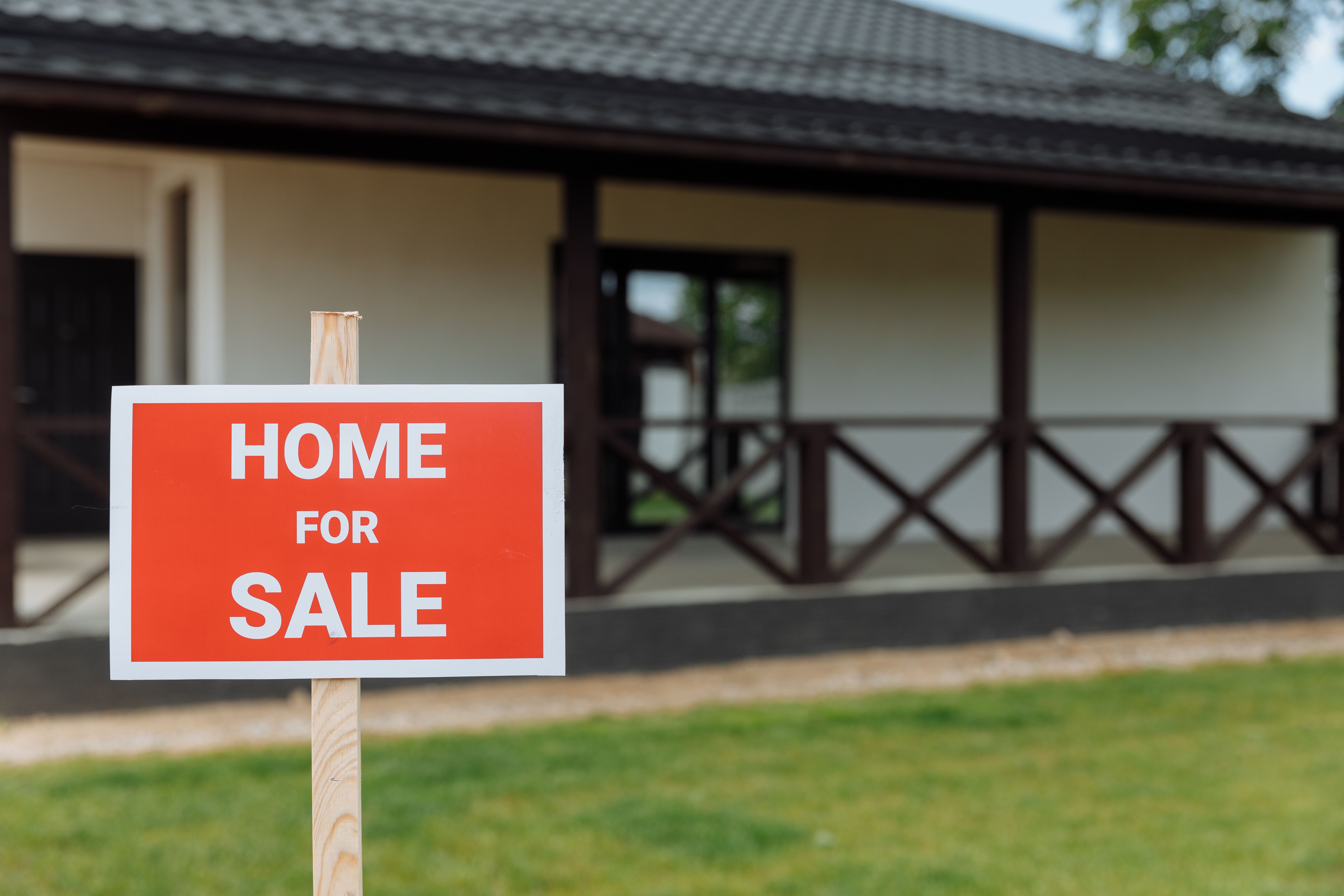
Selling a home is often one of the most significant financial decisions a person will make. After preparing your property, scheduling photos, and listing it on the market, it's natural to expect showings, interest, and offers to follow. But when your home sits on the market longer than anticipated, it can quickly become frustrating and discouraging.
Many sellers assume that a lack of offers means there's something wrong with their home. In reality, that's rarely the case. Even beautiful, well-maintained properties can struggle to attract buyers when certain factors aren't aligned with current market expectations. The good news is that most of these challenges can be identified and addressed with the right strategy.
Today's buyers have access to more information than ever before. They can compare listings instantly, review neighborhood data, evaluate pricing trends, and browse hundreds of homes online before deciding which properties are worth seeing in person. Because of this, first impressions matter more than ever. If a home isn't making a strong impact online or doesn't appear to offer enough value compared to competing properties, buyers may simply move on to the next listing.
Market conditions can also play a major role. Interest rates, inventory levels, buyer demand, and seasonal trends all influence how quickly homes sell. What worked for sellers a year ago may not be the best approach today. That's why it's important to evaluate your home's performance based on current market realities rather than past experiences or expectations.
The key to getting your home sold isn't always making dramatic changes. Sometimes, small adjustments to pricing, presentation, marketing, or accessibility can make a significant difference in attracting serious buyers. Understanding what's preventing your home from standing out is the first step toward generating more interest and securing a successful sale.
If your home has been on the market longer than expected, don't lose hope. In this article, we'll explore the most common reasons homes fail to sell and share practical solutions that can help turn things around. Whether you're preparing to list your property or looking for answers after weeks of limited activity, these insights can help you position your home for success in today's competitive real estate market.
1. Your Home May Be Priced Too High
Pricing is one of the most important factors in determining how quickly a home sells. Even in a strong market, buyers are highly aware of value and often compare multiple properties before making a decision. If your home is priced above comparable listings, buyers may skip it altogether without scheduling a showing.
A strategic pricing approach attracts more interest, generates stronger activity, and can even lead to multiple offers. Remember, the market ultimately determines a home's value—not what we hope to receive for it.
2. Your Home Isn't Making a Strong First Impression
Most buyers begin their home search online. That means your listing photos, property description, and overall presentation need to capture attention immediately. Dark photos, cluttered spaces, deferred maintenance, or outdated décor can make buyers scroll past your listing before they ever step foot inside.
Simple improvements such as decluttering, deep cleaning, fresh paint, and professional photography can dramatically improve your home's appeal and encourage more showings.
3. The Marketing Strategy Isn't Reaching Enough Buyers
Putting a home in the MLS is only one piece of the puzzle. Today's sellers need a comprehensive marketing strategy that includes professional photography, social media exposure, online advertising, email marketing, and targeted outreach.
The more qualified buyers who see your property, the greater the chances of receiving offers. Effective marketing helps your home stand out in a crowded marketplace.
4. Buyers See Better Value in Competing Homes
Buyers don't evaluate your home in isolation—they compare it to every other available property within their budget. If similar homes offer updated features, larger lots, or additional amenities at a comparable price point, buyers may perceive those homes as a better value.
Reviewing active competition and making strategic adjustments can help your home remain competitive and appealing.
5. Your Home May Need Minor Updates or Repairs
Small issues can create big concerns for buyers. Peeling paint, worn flooring, outdated fixtures, or visible maintenance concerns may cause buyers to wonder what other problems exist beneath the surface.
Addressing minor repairs before listing can improve buyer confidence and help prevent objections during negotiations.
6. Showings Are Too Difficult to Schedule
The easier it is for buyers to view your home, the more opportunities you'll have to receive offers. Restrictive showing schedules, short notice requirements, or frequent cancellations can limit buyer interest.
Flexibility is often key. Buyers who can't see your home may move on and purchase another property instead.
7. Market Conditions Have Changed
Real estate markets constantly evolve. Interest rates, inventory levels, economic conditions, and buyer confidence all impact how quickly homes sell.
If your home has been listed for an extended period, it may be time to reevaluate your strategy based on current market conditions. A small adjustment today could make a significant difference tomorrow.
Final Thoughts
If your home isn't selling, don't assume the situation is hopeless. In most cases, there are specific reasons buyers aren't taking the next step—and identifying those reasons is the first step toward a successful sale.
With the right pricing strategy, effective marketing, thoughtful presentation, and expert guidance, you can improve your home's visibility, attract qualified buyers, and increase your chances of receiving strong offers.
If you're considering selling or wondering why your current listing isn't getting the attention it deserves, partnering with an experienced real estate professional can help you develop a plan tailored to today's market and your specific goals.

Heather Wright
| Wright At Home Properties | Harcourts The Garner Group
or another way