
Categories
REAL ESTATEPublished May 8, 2026
The Art of a Streamlined Kitchen: Design Ideas That Feel Effortless and Refined

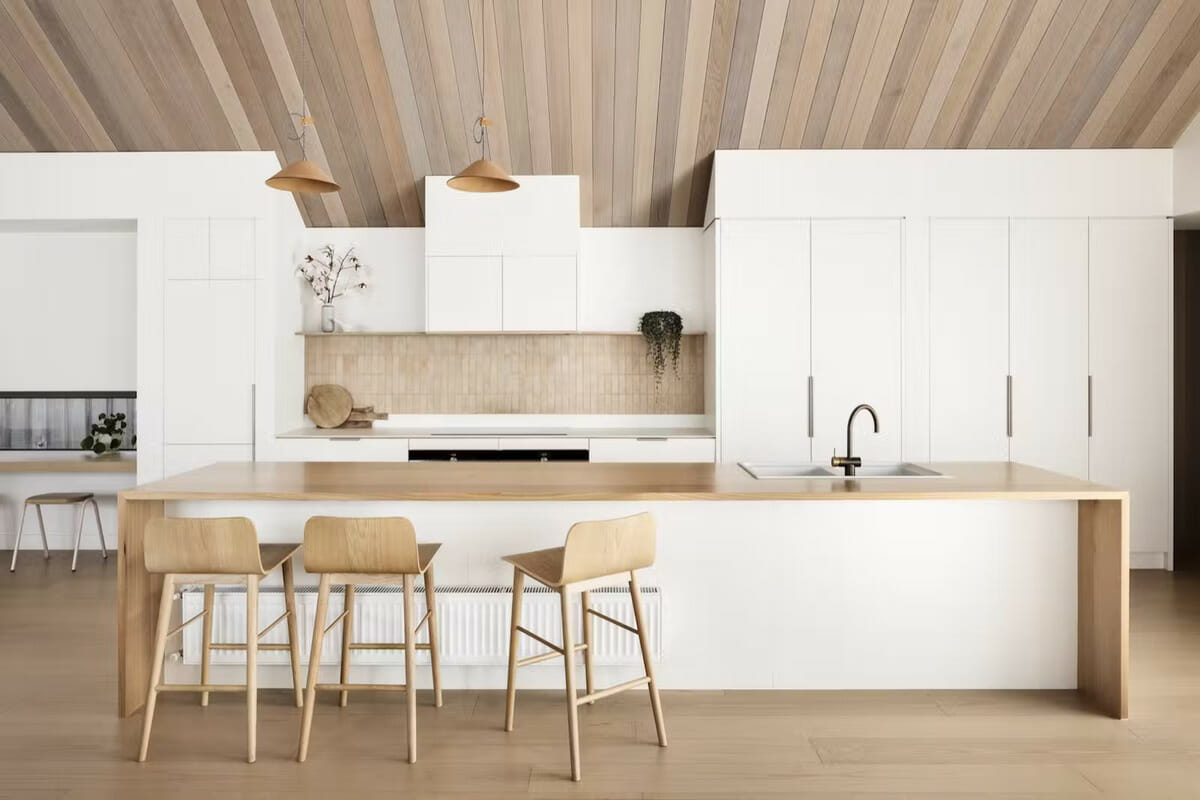
The kitchen is one of the busiest spaces in any home. It’s where meals are prepared, conversations happen, and daily routines unfold. Because it serves so many purposes, it’s easy for the space to feel crowded or overly functional. Cabinets become packed with essentials, countertops collect everyday items, and appliances often dominate the room’s design.
But a minimalist kitchen doesn’t mean sacrificing comfort or practicality. The goal is to create a space that feels clean, intentional, and visually calming while still working beautifully for everyday life. With the right design choices, you can transform your kitchen into a sleek and seamless space that feels both elevated and inviting.
Choose a Soft, Cohesive Color Palette
Color has a major impact on how a kitchen feels. Bold shades and sharp contrasts can quickly make a space feel busy, while softer tones create a more relaxed and timeless atmosphere. Minimalist kitchens often work best with warm whites, soft grays, muted taupes, or natural wood finishes that blend together effortlessly.
Instead of mixing too many colors, focus on layering similar tones throughout the space. Light oak paired with creamy whites or soft stone-inspired finishes can create depth without overwhelming the eye. Consistency in cabinetry, countertops, and finishes helps the kitchen feel more open, polished, and balanced.
Incorporate Sleek, Built-In Cabinetry
Cabinetry plays a huge role in the overall appearance of a kitchen. Traditional cabinet styles with heavy overlays and visible detailing can make the room feel visually crowded, especially in smaller spaces.
Inset cabinetry offers a cleaner and more refined look by sitting flush within the cabinet frame. This creates smooth, uninterrupted lines that instantly make the kitchen feel more custom and sophisticated. Whether finished in soft paint tones or natural wood textures, streamlined cabinetry brings a tailored, furniture-like quality that complements minimalist design beautifully.
The result is a kitchen that feels thoughtfully designed rather than overly busy.
Keep Everyday Clutter Out of Sight
One of the biggest challenges in any kitchen is managing the small everyday items that slowly take over countertops. Coffee makers, utensils, cutting boards, and small appliances can quickly create visual clutter, even in a well-designed space.
Hidden storage solutions help maintain a calm and organized feel. Deep drawers, pull-out appliance garages, built-in pantry systems, and custom organizers allow everything to have its place while keeping surfaces clean and uncluttered.
When everyday essentials are tucked away, the kitchen instantly feels lighter, more spacious, and far more intentional.
Add a Waterfall Island for a Seamless Look
A waterfall countertop can completely elevate the look of a kitchen. Unlike traditional countertops that stop at the edge of the island, waterfall designs continue the material down the sides for a smooth, uninterrupted finish.
This simple detail creates a more architectural and luxurious appearance while enhancing the clean lines that minimalist spaces are known for. In open-concept homes, a waterfall island often becomes a striking focal point that ties the entire room together.
For the best effect, choose materials with subtle movement and understated patterns, such as quartz, marble, or stone-inspired surfaces. Crisp edges and continuous finishes help create that sleek, seamless aesthetic.
Let Empty Space Work in Your Favor
Minimalist design isn’t just about what you include in a space — it’s also about what you leave out. Clear countertops instantly make a kitchen feel calmer and more refined by reducing visual distractions.
Instead of filling every surface, keep only a few intentional items visible. A tray with everyday essentials, a simple vase, or a carefully chosen decorative piece can add warmth without creating clutter. Everything else should have a designated storage space.
Open, clean surfaces allow the beauty of the kitchen’s design and materials to stand out naturally.
Layer Lighting for Warmth and Dimension
Lighting is often overlooked in kitchen design, but it can dramatically influence how the space feels. Relying on a single overhead fixture can leave the kitchen feeling flat and overly harsh.
Layered lighting creates depth, warmth, and balance. Start with soft ambient lighting to brighten the overall room, then incorporate task lighting beneath cabinets or near prep areas for functionality. Finally, add decorative fixtures such as pendant lights above the island or subtle wall sconces to create a welcoming atmosphere.
A thoughtfully lit kitchen feels softer, more inviting, and effortlessly sophisticated — all key elements of minimalist design.
Final Thoughts
A beautifully designed minimalist kitchen isn’t about removing personality or making the space feel cold. It’s about creating a sense of balance, simplicity, and ease within one of the hardest-working rooms in the home.
From soft color palettes and streamlined cabinetry to concealed storage and layered lighting, each design decision contributes to a kitchen that feels intentional and refined. The result is a space that looks polished, functions efficiently, and provides a calm backdrop for everyday living.
For homeowners thinking about updating their space, minimalist kitchen design offers a timeless approach that blends style, functionality, and comfort in a way that never feels overwhelming.
Heather Wright
| Wright At Home Properties | Harcourts The Garner Group
or another way