
Categories
REAL ESTATEPublished March 13, 2026
The Hidden Risk in Home Sales: How One Missing Permit Can Derail a Real Estate Transaction

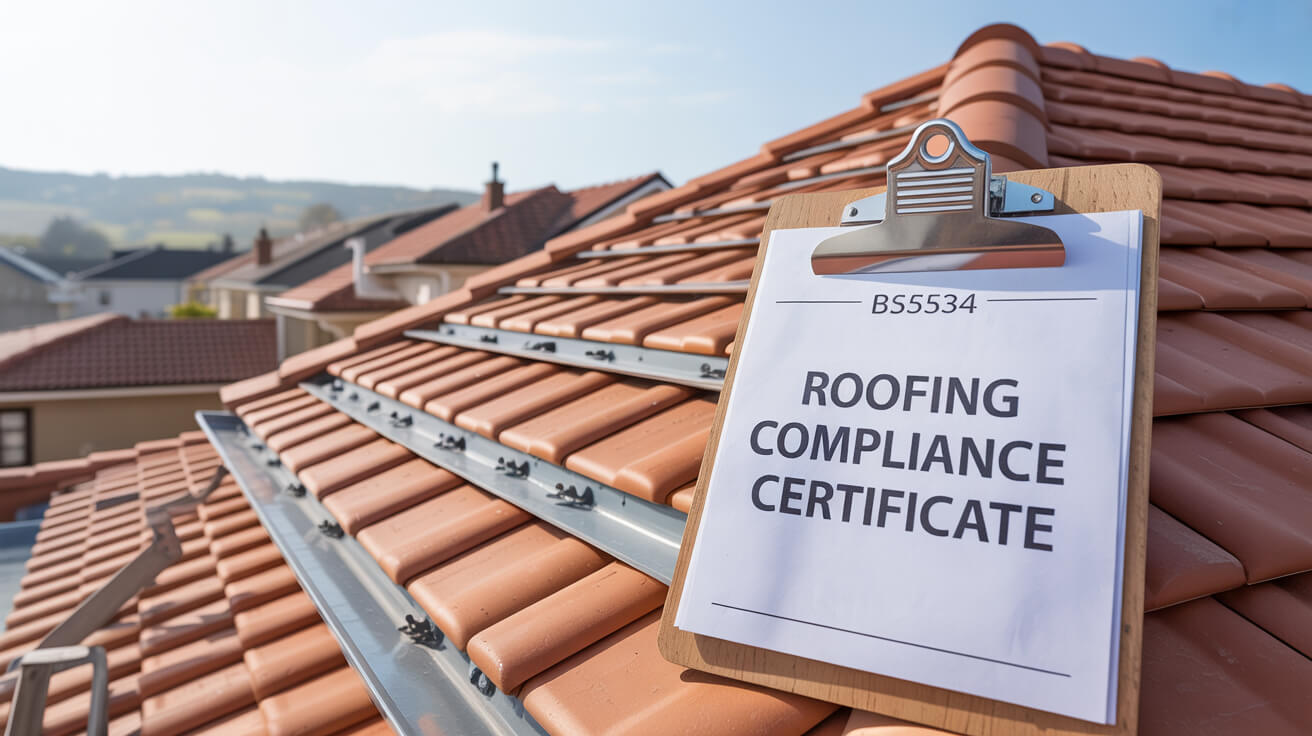
When buying or selling a home, most people focus on price, negotiations, and closing timelines. But there’s another issue that can quietly derail a transaction: missing permits. One overlooked permit for a roof replacement, remodel, or structural change can create unexpected delays, financial setbacks, and even legal complications.
For homeowners preparing to sell—and buyers trying to protect their investment—understanding how permits and compliance work is essential. As a real estate professional, I often see how these details can influence the success of a transaction.
Why Permits Matter More Than Many Homeowners Realize
Home improvement projects often require approval from local building departments. Permits ensure that work meets safety standards, building codes, and local regulations. Roofing projects, additions, electrical upgrades, and structural changes are some of the most common improvements that require official permits and inspections.
When the proper permits are not obtained, it can create significant issues later—especially when the home is listed for sale. During the transaction process, buyers, lenders, and inspectors may request documentation confirming that improvements were completed legally and safely.
Without that documentation, questions arise about the quality of the work and whether the property complies with local codes.
How Missing Permits Can Impact a Home Sale
Unpermitted work can slow down or complicate a transaction in several ways. Buyers may request additional inspections or documentation, lenders may require verification before approving financing, and in some cases the work may need to be retroactively permitted or even corrected.
This can lead to unexpected costs, extended timelines, and frustration for everyone involved. In competitive markets, delays or uncertainty can even cause buyers to walk away from the deal altogether.
For sellers, this highlights the importance of addressing permit questions early—before the home hits the market.
Why Roofing and Structural Work Often Raises Red Flags
Roof replacements and structural repairs are among the most common projects that require permits and inspections. These improvements intersect with multiple safety standards, including structural integrity, fire resistance, ventilation, and energy efficiency.
Because these elements directly impact the safety and longevity of the home, inspectors and buyers often look closely at documentation for this type of work. Even if the project was completed professionally, the absence of permits can still raise concerns during the due diligence process.
That’s why having the right paperwork in place is just as important as the quality of the work itself.
The Role of Documentation in Protecting Sellers and Buyers
Proper documentation provides clarity and protection for everyone involved in a real estate transaction. Permit records, inspection approvals, and contractor invoices all help demonstrate that work was completed according to local regulations.
For sellers, having these records ready can prevent delays and strengthen buyer confidence. For buyers, documentation offers reassurance that the home has been maintained responsibly and meets local safety standards.
In many cases, organized records can be the difference between a smooth closing and a stressful negotiation.
Why Local Regulations Can Be Confusing
One challenge homeowners face is that permit requirements can vary significantly between cities and counties. A project that requires a permit in one area may not require the same approval just a few miles away.
Because of these differences, it’s easy for homeowners or contractors to misunderstand local rules. What seems like a minor repair could still require documentation depending on the jurisdiction and the scope of the work.
This complexity is one reason why guidance from knowledgeable professionals—both contractors and real estate agents—can make a meaningful difference.
How Homeowners Can Avoid Permit Issues
The best way to prevent complications is to verify permit requirements before starting major projects. Working with licensed professionals who understand local building codes helps ensure that work is completed properly and documented correctly.
Homeowners should also keep organized records of permits, inspections, warranties, and invoices related to improvements made to the property. These documents become valuable when preparing to sell the home or when answering questions from potential buyers.
Taking these steps early can save time, money, and stress later.
The Value of Experienced Real Estate Guidance
Real estate transactions involve far more than marketing a home and negotiating price. Experienced representation helps sellers anticipate potential issues, prepare documentation, and navigate challenges that may arise during the process.
Permit questions, inspection findings, and disclosure requirements are all areas where guidance can help keep a transaction on track.
When buyers and sellers work with knowledgeable professionals, they gain a clearer understanding of the process and greater confidence in their decisions.
Final Thoughts
A single missing permit may seem like a small oversight, but it can create major complications during a home sale. By understanding the role of permits, keeping accurate documentation, and working with experienced professionals, homeowners can protect both their investment and their peace of mind.
If you’re planning to sell your home or simply want to make sure your property is prepared for the future, reviewing permits and improvement records is a smart place to start. Being proactive today can help ensure a smoother, more successful real estate transaction tomorrow.

Heather Wright
| Wright At Home Properties | Harcourts The Garner Group
or another way