
Categories
REAL ESTATEPublished August 12, 2026
The Home Upgrades Buyers Notice—and Are Willing to Pay For

When it comes to increasing your home’s value, not every improvement delivers the same return. It’s easy to assume that expensive renovations automatically lead to a higher sale price, but buyers often care more about how a home looks, feels, functions, and fits their lifestyle.
The smartest updates are usually the ones that make a home feel well-maintained, comfortable, functional, and move-in ready. Whether you’re preparing to sell soon or simply want to make thoughtful improvements for the future, focusing on the right projects can help protect your investment and strengthen your home’s appeal.
Here are some of the improvements buyers tend to notice most.
1. A Kitchen That Feels Fresh and Functional
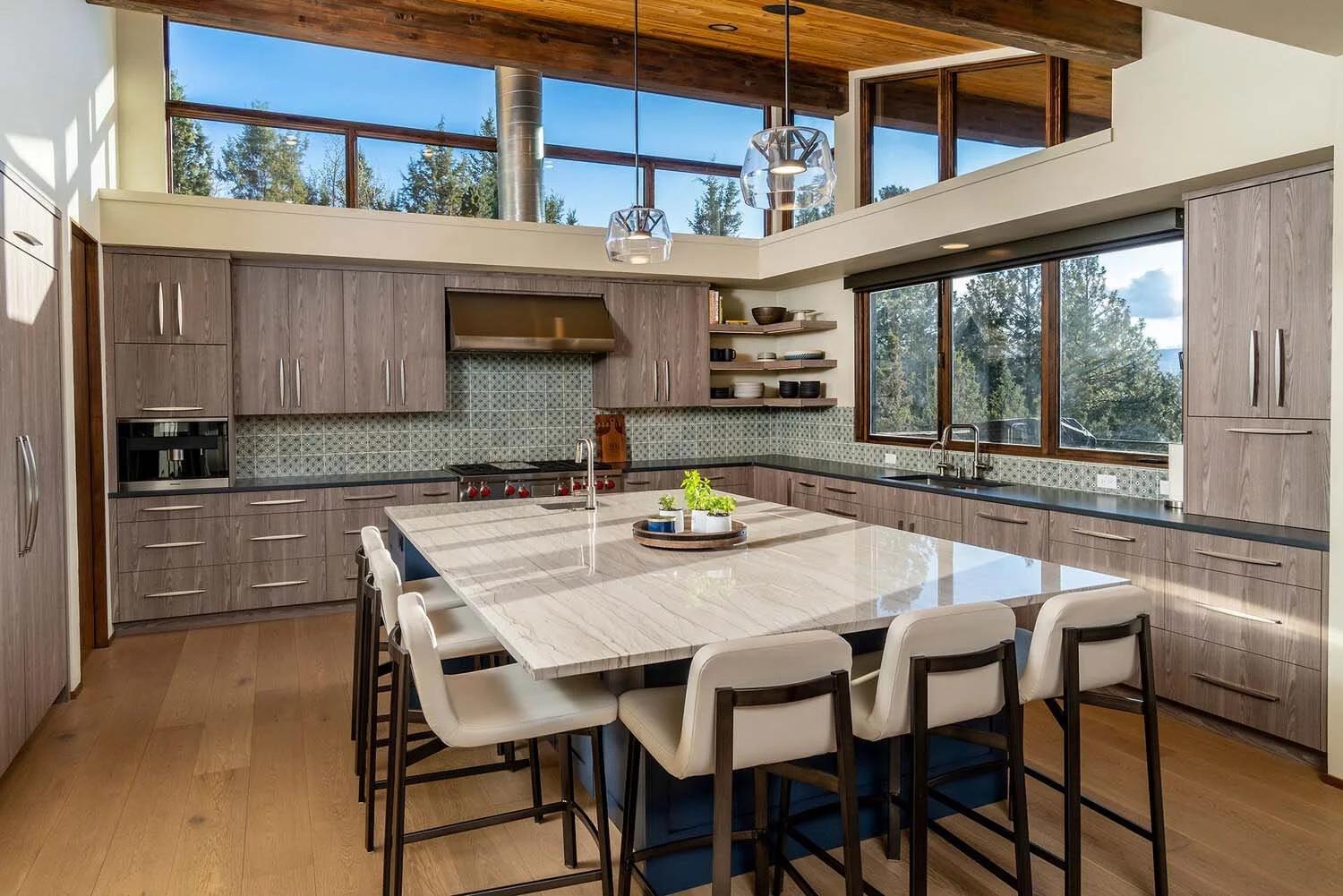
The kitchen continues to be one of the most important spaces in a home. Buyers often picture themselves gathering, cooking, entertaining, and spending everyday moments here, so the overall impression matters.
The good news is that you may not need a complete kitchen renovation to make an impact. Updating cabinet hardware, replacing dated light fixtures, refreshing paint, installing a modern backsplash, or upgrading countertops can give the space a more current feel.
If the existing layout already works well, strategic cosmetic improvements may provide more value than tearing everything out and starting over.
What buyers appreciate: Clean finishes, useful storage, adequate counter space, good lighting, and a layout that makes everyday living easier.
2. Updated Bathrooms
Bathrooms are another area where buyers pay close attention to condition and cleanliness. An outdated bathroom can make a home feel older, while even modest improvements can make the entire property feel better maintained.
Consider replacing dated faucets, mirrors, lighting, cabinet hardware, or worn flooring. Fresh grout, new caulking, and a clean neutral paint color can also make a surprising difference.
For homeowners planning for long-term usability, features such as walk-in showers and improved accessibility may also make a home more practical for a wider range of buyers.
3. Strong Curb Appeal
Buyers begin forming an opinion before they ever walk through the front door.
An attractive exterior helps create a positive first impression and signals that the property has been cared for. Simple projects such as trimming landscaping, adding fresh mulch, cleaning walkways, touching up exterior paint, and updating the front door can significantly improve a home’s presentation.
Exterior lighting and clearly defined outdoor spaces can also help a property feel more welcoming.
Remember: You don’t need elaborate landscaping. Clean, intentional, and well-maintained often makes the strongest impression.
4. Energy-Efficient Features
Today’s buyers aren't only looking at the purchase price. Many are also thinking about what a home will cost to operate and maintain.
Energy-efficient windows, improved insulation, modern heating and cooling systems, smart thermostats, and efficient appliances may make a home more appealing—especially when they help reduce ongoing utility expenses.
These improvements may not always be the most visually exciting, but they can provide something buyers value highly: comfort, efficiency, and peace of mind.
5. Fresh, Neutral Interior Paint
Few improvements can transform a home as quickly as fresh paint.
Bold or highly personalized colors may work beautifully for the current homeowner, but they can make it harder for buyers to imagine the space as their own. Warm whites, soft neutrals, and understated earth tones can create a brighter, cleaner, more cohesive appearance.
Fresh paint can also help rooms photograph better, which is especially important when buyers are first discovering a home online.
6. Flooring That Feels Clean and Consistent
Flooring has a major influence on how buyers perceive a property.
Worn carpet, damaged flooring, or too many different flooring styles throughout the home can distract from otherwise attractive features. Replacing heavily worn surfaces or professionally cleaning existing flooring can improve the overall presentation.
Consistency is especially valuable. Flooring that flows naturally from one room to another can make a home feel larger and more polished.
7. Functional Outdoor Living Spaces
Outdoor areas have become an important extension of the home for many buyers.
A well-maintained patio, deck, covered seating area, or thoughtfully landscaped backyard can provide additional space for relaxing and entertaining. The goal doesn't necessarily need to be an elaborate outdoor kitchen or expensive renovation.
Sometimes a defined seating area, attractive landscaping, good lighting, and a clean patio are enough to help buyers see how they could enjoy the space.
8. Flexible Living Spaces
The way people use their homes continues to evolve. Buyers often appreciate spaces that can serve more than one purpose.
A bonus room that could function as a home office, guest room, fitness space, hobby room, or playroom gives buyers options. Even a smaller nook can become more appealing when it is intentionally staged to demonstrate its potential.
Instead of leaving an awkward or unused area empty, show buyers what that space could become.
9. Storage and Organization
Storage may not be the most glamorous home improvement, but buyers notice when a home makes everyday life easier.
Organized closets, functional pantry storage, garage shelving, built-in cabinetry, and efficient laundry spaces can all contribute to a home's perceived value.
Before investing in additional square footage, consider whether the existing space could simply function better.
10. Major Systems That Have Been Well Maintained
Beautiful finishes may attract attention, but buyers also want confidence in the home itself.
The roof, HVAC system, plumbing, electrical components, water heater, windows, and other major systems can influence a buyer’s comfort level with a property. A home that appears beautifully updated but has several major systems nearing replacement may raise concerns during the buying process.
Keeping up with routine maintenance and documenting improvements can help demonstrate responsible ownership.
What Improvements Don't Always Pay Off?
One of the biggest mistakes homeowners can make is assuming that every dollar spent on a renovation will come back when the property sells.
Highly customized renovations, extremely expensive finishes, unusual design choices, or improvements that are significantly beyond what is typical for the neighborhood may not deliver the return a homeowner expects.
There is also a difference between an improvement you personally enjoy and an improvement that increases market value. Both can be worthwhile, but they serve different purposes.
If selling is part of your future plans, understanding that distinction before beginning a major project can save you time and money.
The Best Improvement Depends on Your Home
There isn't one renovation that guarantees the greatest return for every property.
A home with a beautifully updated kitchen but poor curb appeal may benefit most from exterior improvements. Another home may simply need fresh paint, better lighting, decluttering, and minor repairs. In some cases, addressing deferred maintenance may be far more important than adding something new.
Your home's location, condition, price range, neighborhood, and likely buyer all play a role in determining which improvements make the most sense.
Thinking About Selling? Improve Strategically
Before spending thousands of dollars preparing your home for the market, it can be helpful to understand what buyers are actually responding to in your area.
The goal isn't necessarily to make your home perfect. It's to identify the improvements that will have the greatest impact while avoiding projects that may not meaningfully improve your sale.
If you're considering selling, a pre-listing walkthrough can help identify what may be worth updating, what can stay exactly as it is, and where your time and money may be better spent.
Thinking about making improvements before you sell? Let's talk before you renovate. A strategic plan can help you focus on the updates that matter most to buyers—and avoid spending money where you don't need to.

Heather Wright
| Wright At Home Properties | Harcourts The Garner Group
or another way