
Categories
REAL ESTATEPublished February 25, 2026
The Real Reasons Some Homes Sell Quickly—And Others Get Left Behind

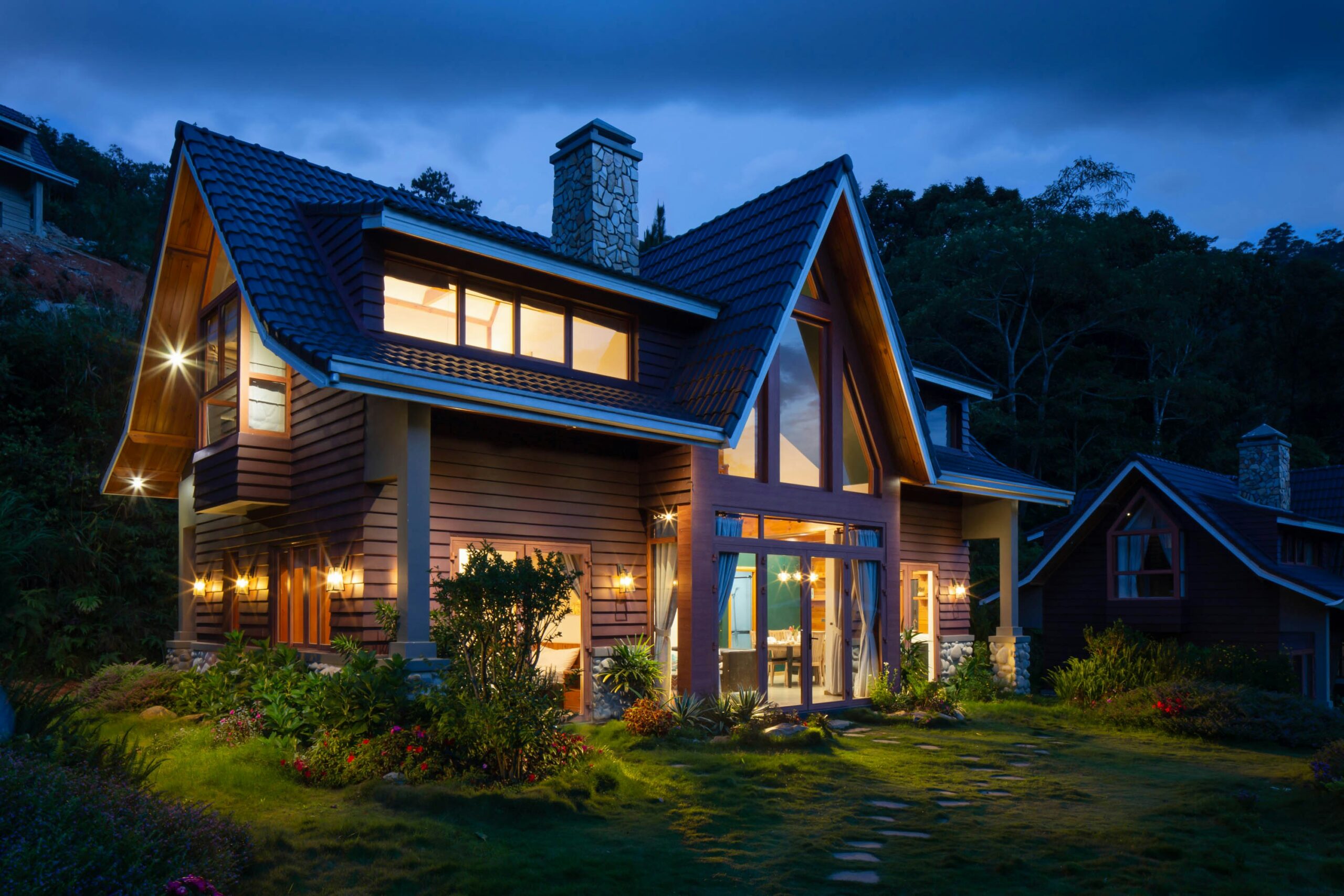
Have you ever noticed how one home sells within days while another, almost identical property lingers on the market? Same neighborhood. Similar layout. Comparable size. Yet one attracts multiple offers and the other struggles to generate interest.
It is not simply luck—and it is not always just about price. In today’s market, where interest rates remain elevated and buyers are more intentional with their spending, expectations are higher. Buyers are thoughtful, analytical, and highly aware of value. Homes that sell quickly create immediate confidence. The ones that sit often leave room for doubt.
As a real estate professional, I see this pattern consistently. The difference usually comes down to preparation, presentation, pricing strategy, and how the home makes buyers feel the moment they walk through the door.
Buyers Notice Risk Immediately
Today’s buyers are cautious. The urgency we saw in past markets has shifted toward careful decision-making. Every visible flaw feels like a potential expense, and every unknown raises questions.
One of the most common concerns is the roof. It may not be the most exciting feature of a home, but it is one of the most important. An aging or visibly worn roof signals future costs, possible insurance challenges, and maintenance responsibilities. Even if the interior is beautifully updated, a questionable roof can slow down or completely stop a buyer’s momentum.
Proactive sellers understand this. If there is an aging system or deferred maintenance, addressing it upfront—or offering a clear solution—builds trust. Transparency reduces uncertainty. And when buyers feel confident, they move forward.
Pricing Strategy Makes or Breaks Momentum
Online estimates and neighborhood opinions do not determine market value. Data does.
The first couple of weeks on the market are critical. That is when your listing receives the most attention. If the price aligns with comparable recent sales, buyers engage. If it feels inflated, they move on quickly.
Overpricing may generate views, but it rarely generates strong offers. And when a home sits too long, buyers begin to wonder why. Even if the only issue was an ambitious price, the perception of a problem can linger. Price reductions after extended time on the market often result in lower final sales prices than if the home had been priced strategically from the start.
A well-researched comparative market analysis and a thoughtful pricing plan protect both your time and your equity.
Vacant Does Not Always Mean Inviting
There is a belief that empty homes allow buyers to imagine their own vision more clearly. For some, that may be true. But for many, an empty space feels undefined and impersonal.
Buyers want context. They want to understand how furniture fits, how rooms flow, and how daily life might look inside the home. Even minimal staging—whether physical or virtual—can create warmth and clarity.
Vacant homes can also unintentionally signal neglect. Dust accumulates. Landscaping may slip. Systems go unused. Subtle cues like these influence buyer perception. Creating a sense of care and livability makes a measurable difference.
First Impressions Happen Online
The majority of buyers begin their search online. That means photography is not optional—it is foundational.
Poor lighting, awkward angles, or cluttered rooms can prevent a buyer from ever scheduling a showing. Professional photography, strong natural light, and strategic angles that highlight the home’s best features are essential. If the kitchen is updated, showcase it. If the backyard is a standout feature, lead with it.
You cannot afford a weak first impression in a digital marketplace.
Small Details Send a Big Message
Most buyers will not walk away because of a squeaky hinge. But they will question what that hinge represents.
Minor repairs, touch-up paint, clean grout, functioning fixtures—these details communicate pride of ownership. Buyers tend to purchase emotionally first and justify logically afterward. If a home feels well-maintained, they assume the larger systems have been cared for too.
Preparation reduces objections before they arise.
The Neighborhood Experience Matters
Buyers are not just evaluating the house. They are evaluating the street, the surroundings, and the overall atmosphere.
Curb appeal sets the tone. Fresh landscaping, trimmed hedges, clean walkways, and an inviting entryway create a positive first impression before anyone steps inside. While you cannot control every external factor, you can elevate your own presentation and contribute to a welcoming environment.
You are not just selling square footage. You are selling a lifestyle.
Homes Sell on Confidence and Clarity
Every home tells a story. The homes that sell quickly tell it clearly.
They are priced strategically. They are thoughtfully prepared. They feel cared for. There are no obvious red flags and no lingering questions. Buyers can move forward without hesitation.
Homes that linger often do so because something was overlooked—an unrealistic price, deferred maintenance, lackluster presentation, or assumptions that buyers will “look past” issues. In today’s market, most buyers will not. They will simply move on.
If you want your home to stand out for the right reasons, preparation is everything. The right strategy from the beginning is what turns a listing into a successful sale.

Heather Wright
| Wright At Home Properties | Harcourts The Garner Group
or another way