
Categories
REAL ESTATEPublished March 4, 2026
What Causes Uneven Floors (And How to Fix Them)

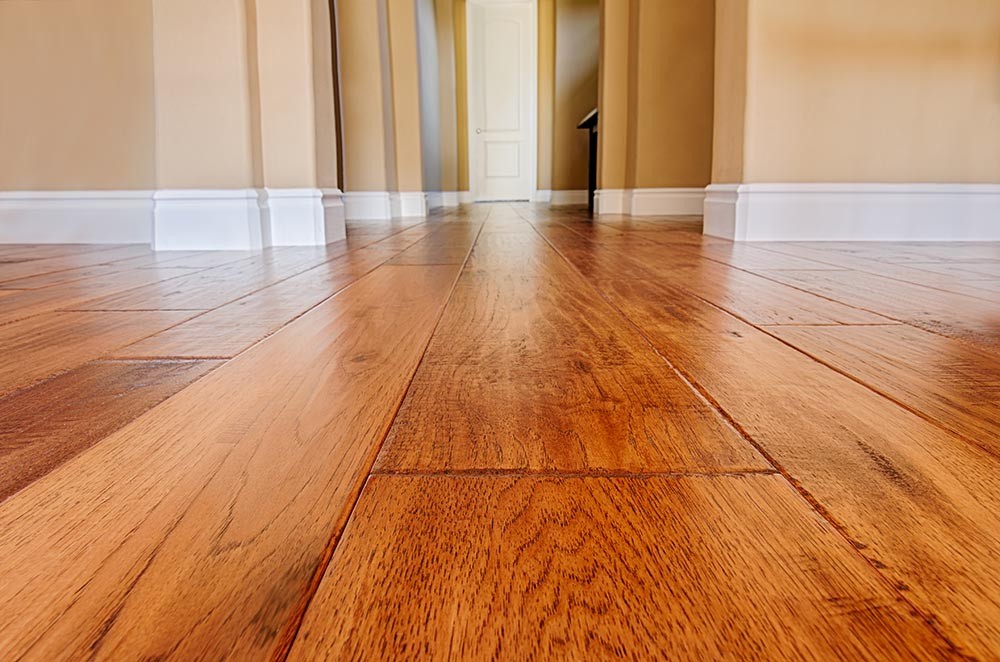
As a real estate professional, one of the concerns I hear from homeowners is: “Why does my floor feel uneven?”
Maybe a chair wobbles. A ball slowly rolls across the room. Or a door suddenly won’t close the way it used to. These small changes can feel unsettling, especially if you’re thinking about selling or simply want to protect your investment.
Uneven or sloping floors are more common than many homeowners realize. In some cases, it’s normal settling. In others, it can point to structural or moisture-related issues that deserve attention. The key is identifying the true cause before attempting a quick cosmetic fix.
Below is an updated, practical guide to the most common causes of uneven floors—and the right way to address each one.
1. Foundation Settlement
One of the most frequent reasons for uneven flooring is foundation settlement. Every home is built on soil, and soil naturally shifts over time. If the ground beneath your home compresses or moves unevenly, parts of the foundation can sink, resulting in interior sloping.
Common Causes
-
Gradual soil compression over time
-
Improper soil compaction during construction
-
Uneven distribution of a home’s weight
-
Localized soil movement beneath specific areas
How It’s Fixed
-
Installing steel or concrete piers to stabilize and lift the foundation
-
Slab jacking (lifting settled concrete slabs)
-
Underpinning systems for long-term reinforcement
-
Professional structural evaluation to determine severity
If the settlement is minor and stable, monitoring may be sufficient. However, widening cracks or increasing slopes are signs it’s time to consult a professional.
2. Moisture Intrusion and Water Damage
Water is one of a home’s most persistent threats. Over time, excess moisture weakens wood framing and subflooring. As materials absorb and release moisture repeatedly, they can swell, warp, or deteriorate—leading to dips and soft spots.
Common Causes
-
Trapped humidity in crawl spaces
-
Hidden plumbing leaks beneath flooring
-
Poor grading or drainage around the foundation
-
Long-term wood rot and subfloor swelling
How It’s Fixed
-
Installing French drains to redirect water
-
Adding vapor barriers in crawl spaces
-
Repairing plumbing leaks promptly
-
Improving exterior drainage and grading
-
Replacing rotted or damaged subfloor sections
When caught early, moisture-related issues are often manageable. Left unaddressed, they can require structural reinforcement in addition to water control solutions.
3. Weak or Deteriorating Floor Joists
Floor joists are the structural framework supporting everything above them. If they weaken, the floor may sag, bounce, or feel soft in certain areas.
Common Causes
-
Aging lumber in older homes
-
Termite or pest damage
-
Improper joist spacing during construction
-
Excess load causing mid-span sagging
How It’s Fixed
-
Sistering joists (attaching new lumber to existing joists)
-
Adding support beams to reduce span length
-
Installing adjustable steel supports in crawl spaces
-
Replacing severely compromised joists
When damage is isolated, targeted reinforcement can restore stability without major foundation work.
4. Soil Movement and Ground Instability
Even a well-built foundation can be affected by changing ground conditions. Expansive soils, erosion, and shifting moisture levels place uneven pressure beneath a home.
Common Causes
-
Soil that expands and contracts with moisture changes
-
Erosion from heavy rainfall or poor drainage
-
Tree roots drawing moisture unevenly from the soil
-
Freeze-thaw cycles in colder climates
How It’s Fixed
-
Soil stabilization treatments
-
Improved compaction around the foundation perimeter
-
Installing root barriers near large trees
-
Reinforcing vulnerable areas of the foundation
Addressing soil conditions protects the structure long-term. Surface-level cosmetic fixes won’t solve the underlying issue.
5. Construction or Structural Design Concerns
In some homes, uneven floors stem from original construction issues or renovation changes that altered structural support.
Common Causes
-
Undersized support beams
-
Incorrect load calculations
-
Removal of load-bearing walls during remodeling
-
Inadequate framing techniques
These issues may not show immediately. Over time, as materials settle, weak points become more noticeable.
How It’s Fixed
-
Upgrading structural beams to meet current load requirements
-
Redistributing weight with added supports
-
Consulting a structural engineer for evaluation
-
Reinforcing subfloor and framing systems
With proper corrections, the floor can be restored to long-term stability.
6. Subfloor Irregularities and Flooring Limitations
Sometimes the foundation is sound, but the finished floor still feels uneven. Minor subfloor imperfections or improper flooring installation can exaggerate surface variations.
Common Causes
-
Uncorrected subfloor inconsistencies
-
Poor flooring installation practices
-
Materials not suited for minor surface variation
-
Uneven transitions between rooms
How It’s Fixed
-
Replacing damaged plywood or sheathing
-
Applying self-leveling compounds
-
Upgrading structural sheathing
-
Selecting flooring materials designed to tolerate minor irregularities
This type of unevenness is typically cosmetic rather than structural.
Cost Considerations and Prevention
Repair costs vary widely depending on the root cause. A small joist repair is far less expensive than comprehensive foundation stabilization. The earlier an issue is identified, the more manageable it usually is.
Proactive steps include:
-
Scheduling routine crawl space inspections
-
Maintaining proper exterior drainage
-
Monitoring foundation cracks for change
-
Keeping gutters clear and functional
-
Watching for noticeable changes in floor slope
Preventative maintenance helps protect both your home’s value and its structural integrity.
Final Thoughts: Address the Cause, Not Just the Symptom
Uneven floors are a symptom, not the problem itself. In many cases, they can be corrected without major disruption—especially when addressed early. Ignoring them, however, can lead to larger and more costly structural concerns over time.
If you’re noticing changes in your flooring and aren’t sure what they mean, a professional evaluation is the best next step. As a real estate agent, I always advise homeowners to understand the root cause before listing their home or making major improvements.
Protecting your home starts with paying attention to the details—especially the ones beneath your feet.

Heather Wright
| Wright At Home Properties | Harcourts The Garner Group
or another way