
Categories
REAL ESTATEPublished August 17, 2026
When a Home Doesn’t Sell: What May Be Holding Your Listing Back

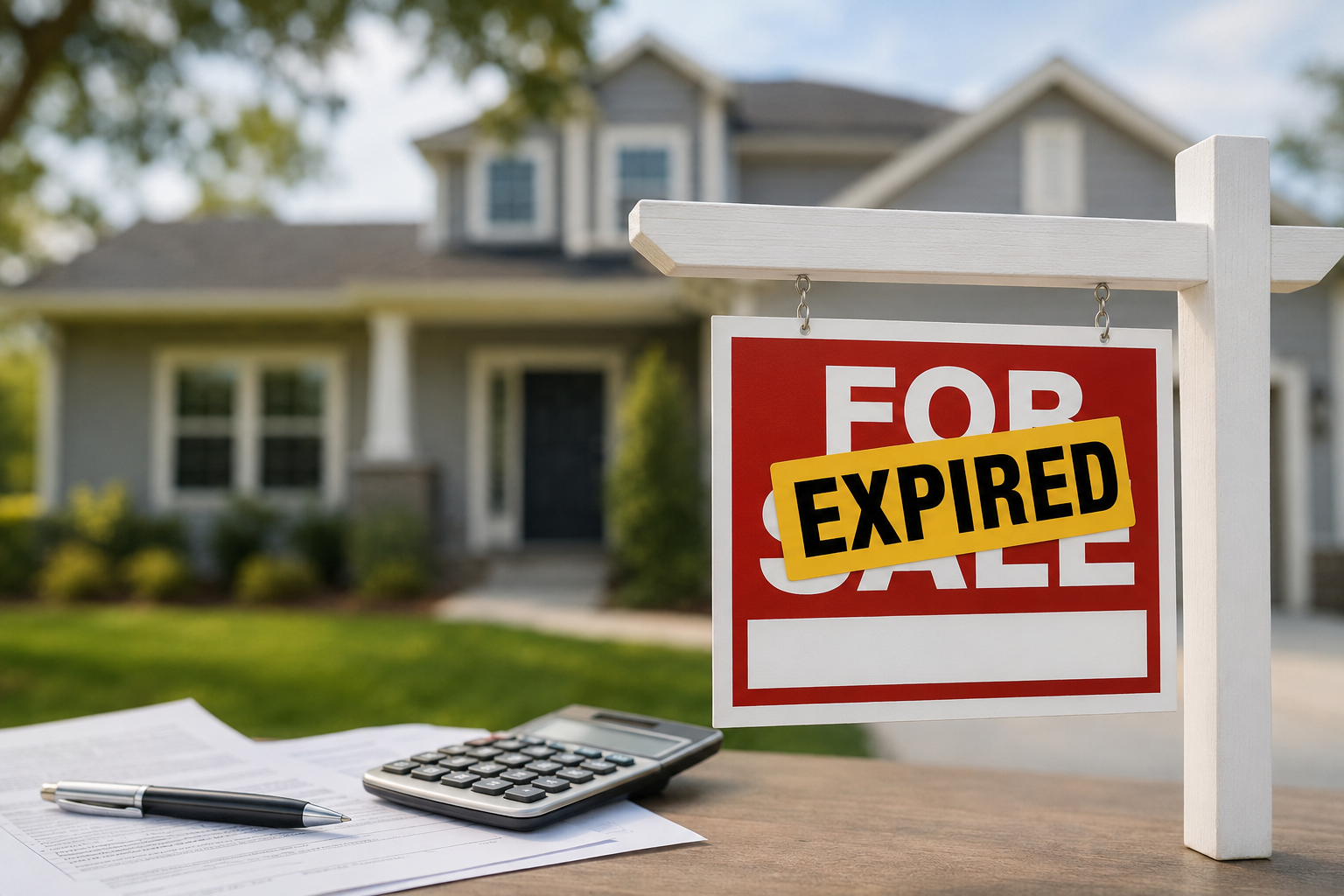
Putting your home on the market comes with expectations. You prepare the property, get it ready for photos, open your doors to potential buyers, and wait for the right offer.
So when the listing expires without a sale, it can be frustrating—and leave you wondering what went wrong.
The good news is that an expired listing doesn’t necessarily mean there’s something wrong with your home. More often, it means something about the pricing, presentation, marketing, positioning, or selling strategy didn’t connect with the buyers who were in the market.
Understanding what happened the first time can help you make a stronger plan moving forward.
1. The Price Didn’t Match the Market
Pricing is one of the biggest factors in how buyers respond to a home.
Today’s buyers have access to more information than ever. Before scheduling a showing, many have already compared your property with recently sold homes, active listings, price reductions, and other options in the neighborhood.
If a home is priced higher than buyers believe the market supports, they may simply move on—even if they love the property.
The challenge is that an overpriced home can also lose valuable momentum during its first few weeks on the market. As the listing sits, buyers may begin wondering why it hasn’t sold.
A strong pricing strategy should consider more than what similar homes are listed for. Recent sales, competing inventory, current buyer activity, condition, location, upgrades, and overall market conditions all matter.
2. The Listing Didn’t Make a Strong First Impression
For many buyers, the first showing happens online.
They may spend only a few seconds looking at the first photo, headline, price, and basic property details before deciding whether to keep scrolling or learn more.
That makes presentation incredibly important.
Professional photography, thoughtful staging, strong listing copy, clean spaces, curb appeal, and an intentional photo order can dramatically change how a property is perceived.
A great home can easily be overlooked if its online presentation doesn’t communicate its value.
3. The Marketing Was Too Limited
Putting a property in the MLS is important—but it shouldn’t necessarily be the entire marketing strategy.
A strong listing campaign may include professional photography, video, social media exposure, targeted digital advertising, open houses, agent-to-agent promotion, email marketing, neighborhood outreach, and direct communication with potential buyers.
The right marketing approach depends on the home and the audience most likely to purchase it.
The goal isn’t simply to get more people to see the listing. It’s to get the right buyers to notice it.
4. Buyers Had Concerns About the Home’s Condition
Sometimes buyers like a home but hesitate because of repairs, maintenance concerns, outdated features, or improvements they believe they’ll need to make immediately.
That doesn’t mean you need to completely renovate your property before selling.
Often, smaller changes can make a meaningful difference—fresh paint, improved lighting, landscaping, decluttering, minor repairs, updated fixtures, or simply addressing deferred maintenance.
The key is identifying which improvements could help buyers feel more confident without spending money unnecessarily.
5. The Home Was Difficult to Show
Convenience matters when buyers are actively touring homes.
If showing windows are limited, appointments are difficult to schedule, or buyers repeatedly have to work around restrictions, they may choose another property that is easier to see.
You don’t have to make your home available every minute of the day, but creating reasonable flexibility can help increase opportunities for serious buyers to experience the property in person.
6. The Feedback Wasn’t Being Used
Buyer and agent feedback can provide valuable clues about why a home isn’t receiving offers.
If several buyers mention the same concern—price, layout, condition, landscaping, lighting, or another issue—that pattern deserves attention.
Not every comment requires a change. But consistent feedback can help identify problems that may not be obvious to someone who sees the home every day.
A good listing strategy should evolve based on what the market is telling you.
7. The Strategy Stayed the Same for Too Long
One of the biggest mistakes sellers can make is assuming that more time will automatically solve the problem.
If a home has been on the market without meaningful activity, the strategy should be reviewed.
Are buyers viewing the listing online but not scheduling showings?
Are showings happening without offers?
Are offers coming in significantly below the asking price?
Each scenario tells a different story and may require a different response.
Successful marketing isn’t about listing a property and waiting. It’s about monitoring the response and adjusting when necessary.
8. The Home Wasn’t Positioned Against the Competition
Your home isn’t being evaluated in isolation.
Buyers are comparing it with other properties available within a similar location and price range. They’re considering square footage, updates, lot size, neighborhood, monthly expenses, condition, lifestyle, and overall value.
Even if your home is beautiful, another property may appear to offer buyers more for their money.
Understanding the competition can help determine how your home needs to be positioned to stand out.
Your Listing Expired. What Should You Do Next?
Before simply putting the home back on the market, take some time to evaluate the previous listing.
Look at the pricing history, showing activity, buyer feedback, marketing, photography, online engagement, competing properties, and any changes in the local market.
Then ask an important question:
What will be different this time?
Relisting with the same price, same photos, same marketing, and same strategy may produce the same result.
A fresh approach should give buyers a reason to look at the property differently.
Sometimes a Fresh Strategy Is All It Takes
An expired listing can feel like a setback, but it can also provide valuable information.
Your first attempt showed you how the market responded. The next step is using that information to make better decisions about pricing, presentation, marketing, and negotiation.
As a real estate professional, my goal isn’t simply to put a home on the market. It’s to understand what makes that property valuable, determine how buyers are responding, and build a strategy designed to give it the strongest opportunity to sell.
If your listing expired—or you’re thinking about selling again—before you relist, it may be worth taking a fresh look at what happened the first time.
Your home may not need a completely different story. It may simply need a better strategy for telling it.

Heather Wright
| Wright At Home Properties | Harcourts The Garner Group
or another way