
Published December 2, 2024
When Contingency Offers Fall Apart: A Seller’s Guide to Staying on Track

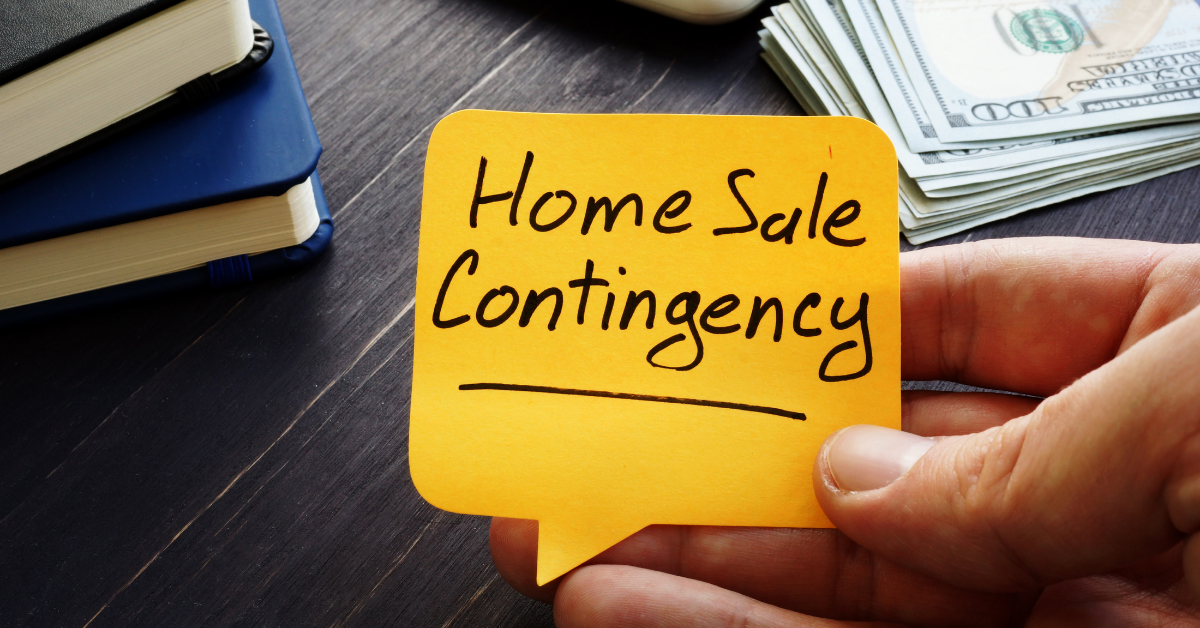
When a buyer submits an offer on your home, it’s an exciting step forward. But when contingencies are involved, the process can feel more like walking a tightrope than celebrating a win. Contingency offers add layers of uncertainty, often leading to deals falling apart before closing. So, how often do contingency offers fall through, and what can you do to protect your transaction? Let’s break it down.
What Are Contingencies in Real Estate?
In real estate, a contingency is a condition in the purchase agreement that must be met before the deal can close. If a buyer’s contingency—like securing financing or selling their current home—falls through, the entire sale could collapse. While these clauses provide safeguards for buyers, they can create uncertainty for sellers.
Why Do Contingency Offers Fall Through?
Here are some of the most common reasons:
- Financing Failures: Buyers might struggle to secure a loan, leaving them unable to follow through on their offer.
- Inspection Issues: Unexpected problems discovered during the home inspection may deter buyers.
- Timing Conflicts: When buyers need to sell their current home first, delays or failed sales can derail the deal.
- Cold Feet: Buyers may reconsider their decision due to life changes, financial concerns, or second thoughts.
How Often Do Contingency Offers Fail?
The rate at which contingency offers fall through depends on several factors, including the type of contingency and the property’s condition. For homes in excellent condition, contingencies might fall through about 10-20% of the time. However, for properties with significant repair needs, the failure rate can climb as high as 75%.
Minimizing Risk: Tips for Buyers and Sellers
If you’re navigating the complexities of contingency offers, consider these strategies:
For Sellers:
- Work with Cash Buyers: Cash offers eliminate financing contingencies and speed up the closing process.
- Add a Kick-Out Clause: Protect yourself by allowing the option to entertain other offers if the buyer’s contingencies aren’t met.
- Pre-Inspect Your Property: Address potential issues upfront to avoid surprises during the buyer’s inspection.
For Buyers:
- Get Pre-Approved, Not Just Prequalified: A pre-approval shows sellers you’re serious and financially prepared.
- Be Flexible with Timing: Avoid tying your offer to the sale of your current home unless absolutely necessary.
- Choose the Right Agent: A knowledgeable real estate agent can help you craft a strong offer and manage contingencies effectively.
The Role of a Skilled Agent
Contingencies can be a double-edged sword. They provide security but also introduce risks that can jeopardize a sale. A seasoned real estate agent is your best ally in navigating these challenges. They can guide you through negotiation tactics, offer insights into the market, and help you make informed decisions that minimize risk.
Final Thoughts
Contingency offers are a common feature of real estate, but they don’t have to derail your goals. By understanding how they work and taking proactive steps, both buyers and sellers can reduce uncertainty and increase the chances of a successful closing. Ready to navigate the complexities of the market with confidence? Contact us today to get expert guidance tailored to your unique situation.
Let’s make your real estate journey as seamless as possible.

Heather Wright
| Wright At Home Properties | Harcourts The Garner Group
or another way