
Categories
REAL ESTATEPublished May 4, 2026
Why Crushed Stone Is the Practical Choice for Long Rural Driveways

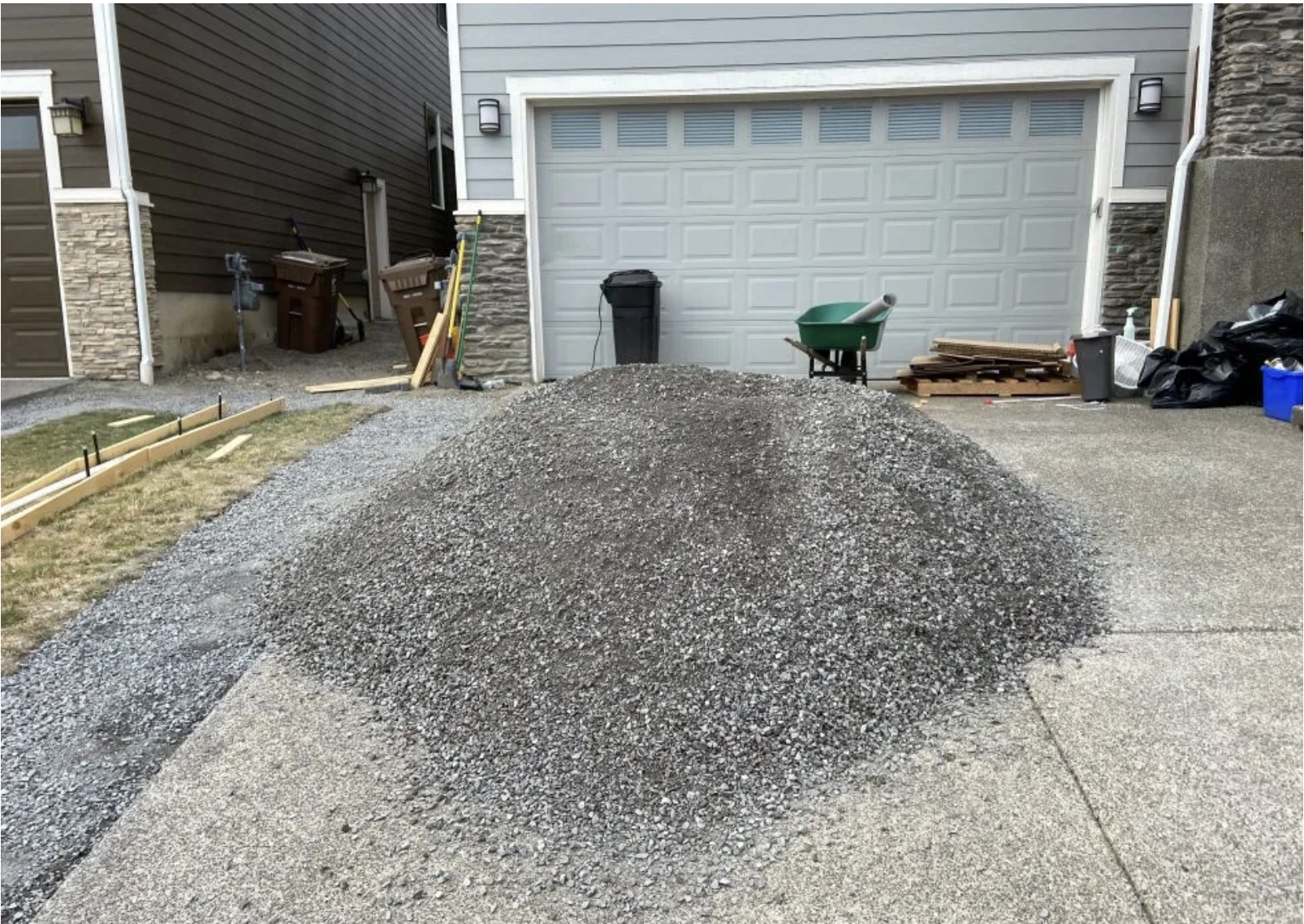
When you own a rural property, every decision about your land comes down to durability, cost, and long-term performance. Choosing the right material for a long driveway is no exception. While asphalt and concrete may seem like the standard, crushed stone—commonly referred to as gravel—often proves to be the more practical and reliable solution.
For extended driveways that stretch hundreds of feet or more, gravel isn’t just a budget-friendly alternative. It’s a strategic investment that stands up to heavy use, changing weather conditions, and the unique demands of rural living.
Why Long Driveways Require a Different Approach
A long rural driveway functions more like a private road than a typical residential entry. As the size increases, so do the costs—especially when using materials priced by the square foot like asphalt or concrete. Beyond installation, factors like base preparation, drainage, and ongoing maintenance play a significant role in overall expenses.
Rural properties also face conditions that suburban driveways rarely encounter. Heavy equipment, delivery trucks, shifting soil, and seasonal weather changes can quickly wear down rigid surfaces. Concrete can crack under pressure, and asphalt may soften or develop ruts over time. Gravel, on the other hand, adapts to ground movement, maintaining its integrity even in less predictable conditions.
Understanding the True Cost
From an investment standpoint, the numbers speak clearly. Gravel typically costs significantly less per square foot compared to asphalt and concrete. For longer driveways, that difference can translate into substantial savings upfront.
More importantly, maintenance is simpler and more cost-effective. While asphalt requires periodic sealing and eventual resurfacing—and concrete repairs can be complex and noticeable—gravel driveways can be refreshed with occasional top layers of stone. This makes long-term upkeep both manageable and affordable.
What Makes a Gravel Driveway Perform Well
Not all gravel driveways are created equal. The difference between a smooth, long-lasting surface and one that quickly deteriorates often comes down to proper installation.
A well-built gravel driveway starts with thorough ground preparation—clearing vegetation, grading the soil, and ensuring a stable base. Adding a geotextile layer helps prevent mixing between soil and stone, preserving the driveway’s strength over time.
Equally important is the type of stone used. Crushed, angular stone locks together to form a firm surface, unlike rounded stones that shift easily. Layering different sizes of stone creates both stability and a smooth finish, while proper depth ensures the driveway can handle regular and heavy traffic alike.
Finally, shaping the driveway with a slight crown allows water to drain effectively, preventing pooling and erosion.
Drainage: The Most Critical Factor
In rural settings, drainage can make or break a driveway. Natural water flow, low-lying areas, and seasonal rain all need to be accounted for during installation.
Features like culverts allow water to pass beneath the driveway, protecting the surface from washouts. Gravel’s natural permeability also helps reduce runoff, allowing water to filter through rather than erode the edges. This built-in advantage makes it especially well-suited for properties where water management is a concern.
When Professional Expertise Matters
While smaller, flat driveways may be manageable as a DIY project, longer or more complex layouts often benefit from professional installation. Sloped terrain, drainage crossings, and heavy-use demands require careful planning and the right equipment.
An experienced contractor doesn’t just install material—they evaluate the land, identify potential issues, and design a solution that holds up over time. This level of planning can prevent costly repairs and ensure your investment performs as expected.
Long-Term Maintenance Made Simple
Gravel driveways do require upkeep, but it’s straightforward and predictable. Over time, stone may shift or compact, especially in high-traffic areas. Periodic grading and adding a fresh layer of gravel every few years typically keeps the surface in excellent condition.
Compared to the ongoing repairs associated with asphalt or the challenges of fixing concrete, gravel offers a more flexible and cost-efficient maintenance path—especially for larger properties.
The Bottom Line
For long rural driveways, crushed stone delivers where it matters most. It offers durability, adaptability, and cost savings—both upfront and over time. When installed correctly with proper preparation and drainage, a gravel driveway can outperform more expensive materials in the environments where it’s needed most.
For homeowners navigating rural property decisions, this is one upgrade where practicality truly pays off.

Heather Wright
| Wright At Home Properties | Harcourts The Garner Group
or another way